
Pleioblastus chino
Pleioblastus chino
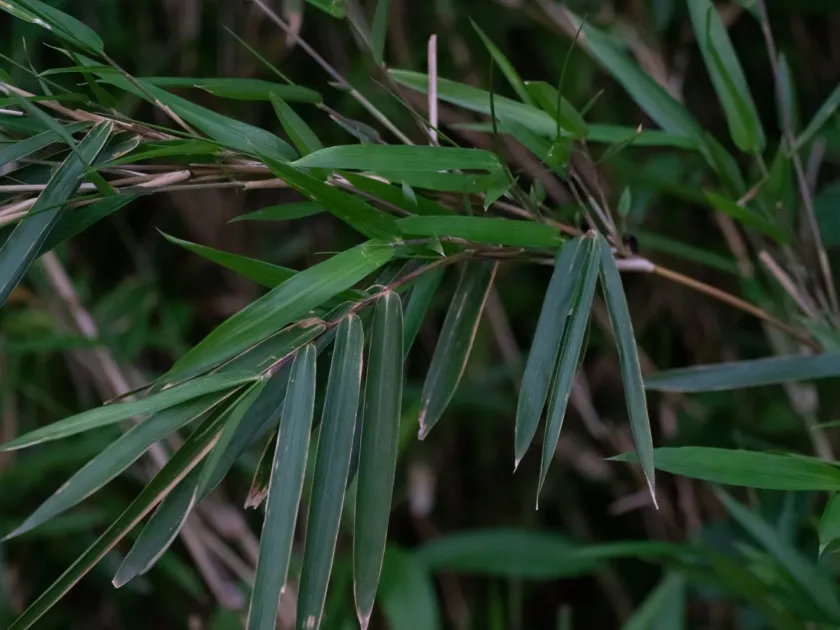
Description
Growing requirements
Pleioblastus chino is a perennial evergreen plant belonging to the Poaceae family. This bamboo species is widely appreciated for its aesthetic appeal and its ability to create dense, vibrant foliage screens in landscape design and specialized horticultural settings.
The plant originates from East Asia, specifically Japan, where it thrives in diverse habitats. Its natural spread is facilitated by a robust rhizome system, allowing it to adapt to various environmental conditions within temperate and subtropical zones.
Regarding soil, it prefers well-draining, nutrient-rich loamy substrates. Maintaining a consistent moisture level is vital for the plant's vitality, as it does not tolerate prolonged drought or waterlogged soil, which can inhibit its development.
Climate requirements include exposure to partial shade or filtered sunlight. While it can handle moderate sun, intense heat combined with low humidity can stress the plant, leading to leaf scorching and potential reduction in its growth rate.
Agricultural management requires seasonal fertilizing, primarily focusing on nitrogen application during the spring growth flush. Proper mulching serves to retain soil moisture and regulate ground temperature, creating a stable environment for root expansion.
Main diseases and pests
The most significant threat to Pleioblastus chino is root rot, generally induced by poor drainage. Preventing this involves selecting elevated planting sites or creating drainage layers to ensure excess water moves away from the rhizome zone efficiently.
Spider mites represent a frequent pest challenge in dry conditions. Their presence is marked by fine webbing and yellowing leaves; monitoring for these signs allows for prompt intervention using horticultural oils or systemic treatments.
Scale insects can also affect the stems of the plant, causing sap loss and attracting secondary fungal infections. Mechanical removal or targeted insecticidal soaps are usually effective strategies if identified in the early stages of infestation.
Fungal leaf spots may occur in high-humidity environments with poor ventilation. To minimize this risk, it is recommended to prune dense internal branches annually to promote airflow and light penetration through the center of the bamboo clump.
Finally, controlling the spread of rhizomes is crucial for long-term maintenance. Physical barriers or root-pruning techniques are standard procedures to prevent the bamboo from encroaching on adjacent planting zones or infrastructure.