
Pleioblastus maculatus
Pleioblastus maculatus
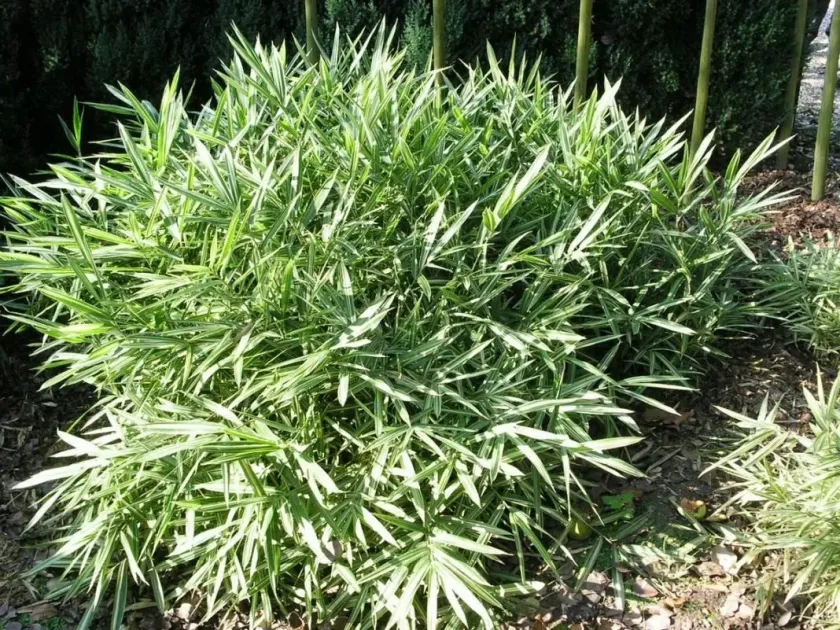
Description
Growing requirements
Pleioblastus maculatus is a distinct species within the Poaceae family, recognized for its ornamental spotted culms and vigorous growth habit. This evergreen bamboo is highly valued in horticulture for its ability to create dense, textured ground covers.
Native to the temperate regions of East Asia, this plant thrives in environments characterized by moderate temperatures and consistent moisture. Its natural habitat is typically under woodland canopies, where it enjoys filtered light and protection from harsh elements.
To ensure optimal development, the soil must be rich in organic matter and provide excellent drainage. While it tolerates a variety of soil types, maintaining a slightly acidic pH balance is crucial for vibrant foliage color and vigorous rhizome expansion.
Climate requirements include protection from severe winter winds and intense midday sun. While hardy, the plant performs best in sheltered locations where temperatures do not fluctuate drastically, particularly during the transition between winter and spring.
Cultural maintenance involves routine irrigation during the growing season and periodic mulching. Since the plant spreads via rhizomes, it is essential to monitor its expansion and use root barriers in smaller garden settings to prevent it from outcompeting other species.
Main diseases and pests
Fungal pathogens associated with moisture retention are the primary threat to the root system. Waterlogged soil conditions must be avoided at all costs to prevent the onset of root rot which can be fatal to the entire plant cluster.
Spider mites are common pests that thrive in dry, warm conditions. They target the foliage, causing discoloration and eventual leaf drop; regular misting or treatment with horticultural oils can effectively mitigate these infestations during the hot summer months.
Scale insects and mealybugs may also colonize the culms, particularly in the leaf axils. These pests weaken the plant by extracting sap, which may lead to secondary infections; manual removal or neem oil sprays are recommended for small-scale control.
In terms of nutritional threats, iron chlorosis can occur in soils with a high pH, resulting in yellowing leaves. Applying chelated iron supplements or adjusting the soil pH is often sufficient to correct this physiological disorder.
Finally, browsing by animals can damage emerging shoots in early spring. Protecting new growth with temporary netting or fencing is a standard practice for farmers looking to establish a new plantation of this bamboo variety.