
Pleioblastus simonii
Pleioblastus simonii
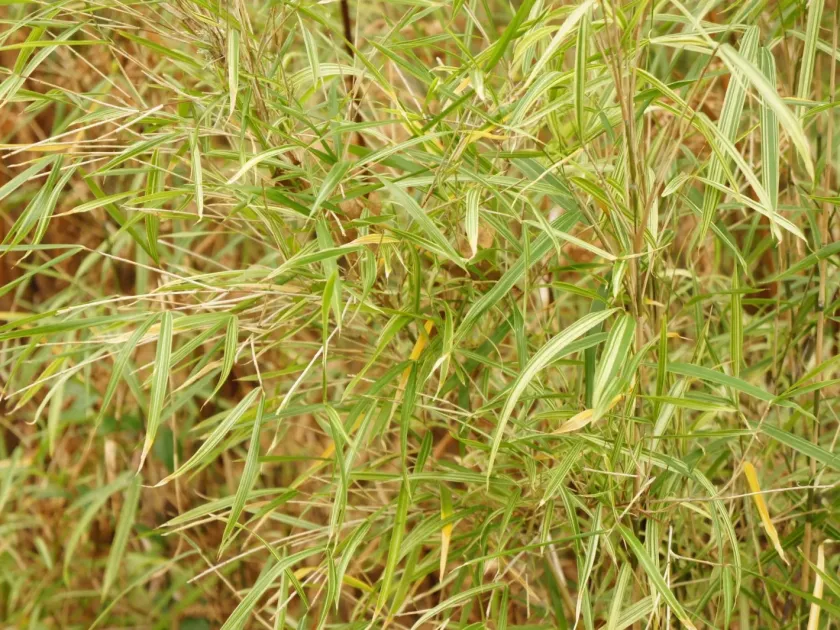
Description
Growing requirements
Pleioblastus simonii is an evergreen perennial bamboo species belonging to the Poaceae family. It is a vigorous, rhizomatous bamboo characterized by its strong, upright culms that can grow several meters tall in favorable environments.
The species originates from East Asia, primarily Japan and China. It has adapted to various woodland habitats where it thrives in humid, temperate climate conditions, often forming extensive colonies in its natural range.
Successful cultivation requires fertile, well-draining soil with a neutral to slightly acidic pH. The plant performs best in full sun or light shade, provided it has protection from heavy wind, which can desiccate the foliage.
Regarding climate, Pleioblastus simonii is known for moderate frost hardiness. It can typically withstand temperatures down to -15°C; however, during colder winters, mulching the rhizome base is recommended to ensure the plant's survival.
The primary use of this bamboo is ornamental landscaping, where it is utilized for creating dense screens, hedges, or as an impressive focal point in large gardens. Its sturdy canes are also historically used for crafting and small-scale structural purposes.
Main diseases and pests
Spider mites are the most common pests affecting this bamboo, particularly during hot and dry spells. Effective management includes regular foliage inspection and the application of acaricides when significant infestations are observed.
Fungal infections, such as leaf spot or root rot, may occur if the soil remains waterlogged or if there is insufficient airflow within dense bamboo clumps. Ensuring proper site drainage and thinning out the culms are essential preventative measures.
Mealybugs can also infest the stems and leaves, extracting plant sap and reducing overall vigor. Integrated pest management strategies, including the use of systemic insecticides or biological controls, are effective for long-term health.
Because the plant spreads via underground rhizomes, its invasive potential must be managed. Planting within root-barrier containers or installing deep plastic liners in the soil is a standard agronomic practice to keep the bamboo within defined areas.
Nutrient management is critical for foliage health; deficiency in nitrogen often manifests as leaf yellowing. Regular fertilization during the active growing season (spring through mid-summer) is necessary to sustain growth and maintain a lush appearance.