
Pleioblastus fortunei
Pleioblastus fortunei
Description
Growing requirements
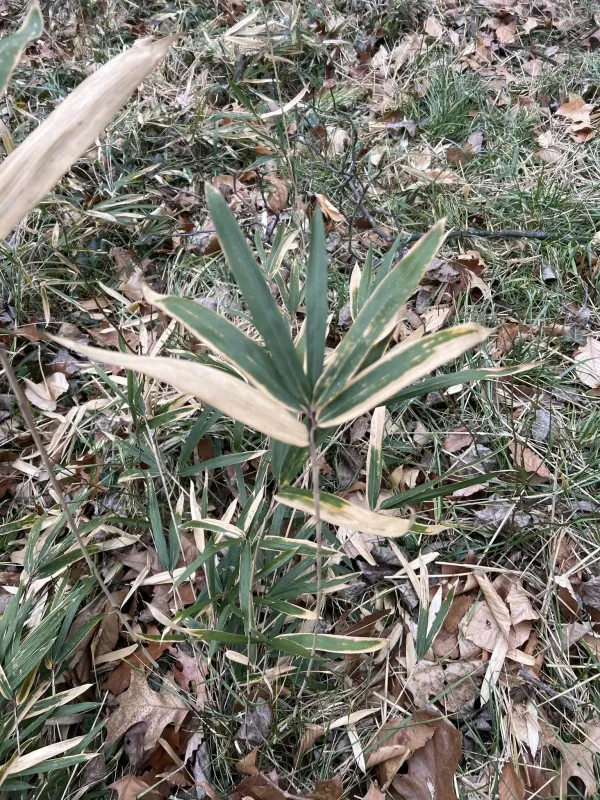
Pleioblastus fortunei, belonging to the Poaceae family, is a popular dwarf bamboo species appreciated for its unique variegated foliage. The leaves are distinctively marked with white or cream stripes, providing excellent ornamental value for ground cover applications.
Native to Japan, this species thrives in temperate climates. It prefers locations with partial to full sun exposure, although providing some afternoon shade in very hot regions helps maintain the leaf patterns and prevents scorching of the foliage.
The plant requires well-drained, fertile soil to reach its full potential. While it can adapt to various soil types, loamy soils enriched with organic matter are ideal. It is crucial to ensure that the site does not become waterlogged, as this can severely damage the rhizomes.
Care practices for this bamboo involve regular watering, especially during the establishment phase and periods of drought. Application of a balanced fertilizer in early spring supports healthy growth of new shoots, which emerge vigorously from the underground rhizomes.
Due to its rhizomatous nature, Pleioblastus fortunei can be quite invasive. Gardeners should implement root barriers or plant it in confined containers to prevent the bamboo from spreading uncontrollably throughout the landscape.
Main diseases and pests
The most common issues for this plant are root rot diseases caused by poor drainage and excessive soil moisture. Proper soil preparation and monitoring irrigation levels are the best methods to mitigate these risks effectively.
Spider mites are the primary pests that may affect this plant, particularly during hot and dry spells. Inspecting the undersides of the leaves for signs of infestation is recommended, followed by the use of appropriate acaricides if necessary.
Aphids can occasionally cluster on young, tender growth, causing curling or stunted leaves. Early detection and the application of mild insecticidal soap can typically control the population before significant damage occurs.
Winter damage is a potential threat in colder zones if the ground freezes deeply without snow cover. Applying a thick layer of organic mulch around the base of the plant acts as insulation, protecting the roots from extreme frost.
Maintaining plant health through annual spring cleanup—removing dead or damaged stems—improves air circulation within the clump. This practice significantly reduces the likelihood of fungal infections and keeps the bamboo looking vibrant.