
Plains muhly
Muhlenbergia cuspidata
Description
Growing requirements
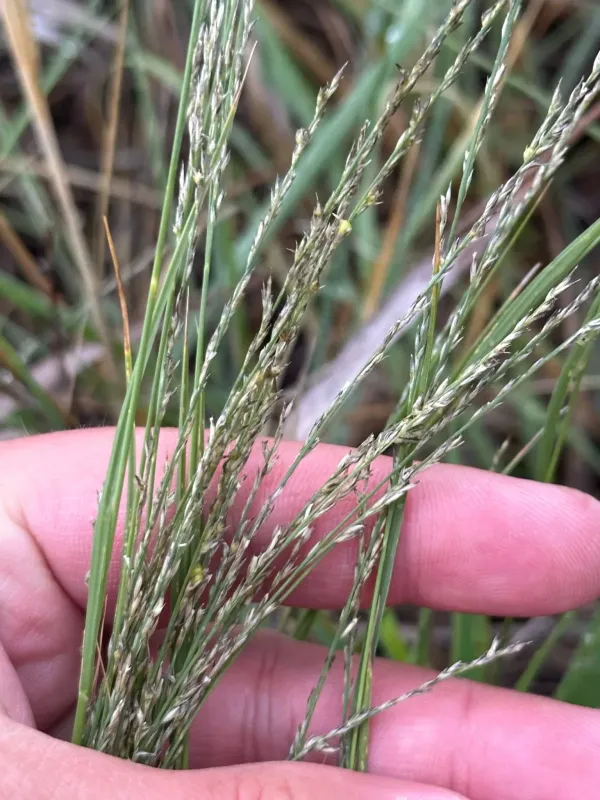
Plains muhly (Muhlenbergia cuspidata) is a perennial grass species belonging to the Poaceae family. It is native to the central parts of North America and is a key component of natural prairie ecosystems.
This grass is highly valued for its exceptional drought tolerance and ability to thrive in poor, rocky, or gravelly soils. It plays a significant role in erosion control on hillsides and disturbed land areas.
The plant requires full sun to maintain its vigor and color. It is adapted to a wide range of temperatures and is notably hardy, capable of surviving harsh winters and hot, dry summers.
In terms of soil, it performs best in well-drained substrates. While it can handle low-nutrient soils, providing basic organic inputs can boost the density of the turf formed by the plant.
Cultural practices are minimal once the plant is established. It is an excellent choice for conservation efforts where low-maintenance ground cover is required for long-term ecological restoration.
Main diseases and pests
The primary threats to Muhlenbergia cuspidata are fungal pathogens associated with waterlogged soil. Proper drainage is essential to prevent root rot and ensure the longevity of the stand.
Insect pests, such as aphids and grass-feeding insects, may occasionally affect the crop. Regular monitoring during the early growing season is recommended to manage populations effectively.
Competition from invasive plant species can hinder the establishment of Plains muhly. Early stage weeding is crucial to allow the grass to form its characteristic dense mats.
Overgrazing can also lead to the decline of the plant population. Controlled grazing or management is required if the area is utilized for livestock foraging.
Biological control methods are encouraged to manage typical grass pests, focusing on fostering a balanced ecosystem around the production site to support natural predators.