
Pleioblastus gramineus
Pleioblastus gramineus
Description
Growing requirements
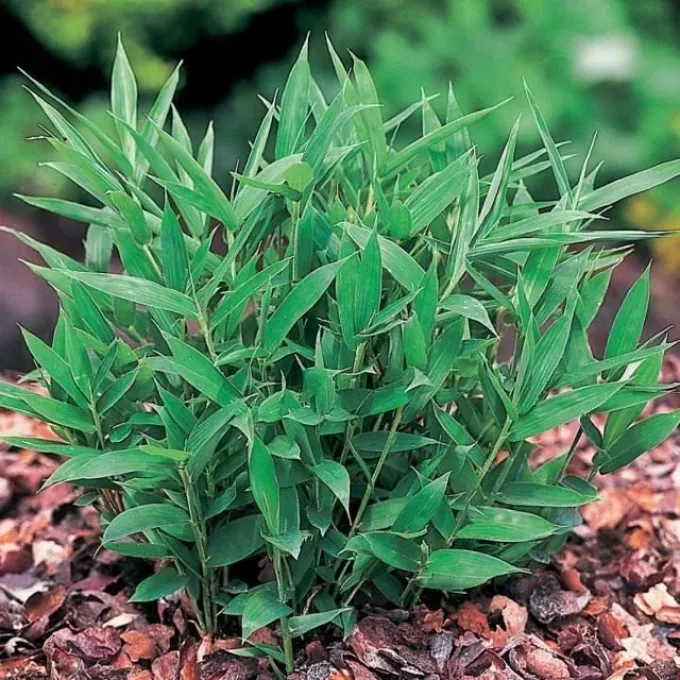
Pleioblastus gramineus is a perennial plant belonging to the Poaceae family, subfamily Bambusoideae. This species is a slender, evergreen bamboo that displays a unique grass-like appearance, making it highly valued for ornamental purposes in temperate regions.
Originating from Japan, this plant naturally thrives in humid forest environments. It is characterized by its narrow, lance-shaped leaves and tall, thin culms that create dense, vibrant clumps, offering excellent visual appeal throughout the year.
Cultivation requirements include well-drained, fertile soil with a neutral to slightly acidic pH. Like many bamboo species, it does not tolerate waterlogging, as standing water can quickly lead to root rot and loss of plant vigor.
The plant performs best in a climate with mild winters, though it is considered cold-hardy down to -15°C. In colder zones, it is essential to provide a thick layer of mulch around the base to protect the rhizomes from freezing temperatures.
Agricultural management requires consistent moisture during the active growing season. Spring fertilization with balanced nitrogen-rich compounds is recommended to encourage rapid culm development and maintain the rich green color of the foliage.
Yield
The primary use of Pleioblastus gramineus is in professional landscape design. Due to its dense growth habit, it is an excellent choice for creating privacy screens, hedges, and structural elements in Japanese-style gardens.
The plant is effective in soil stabilization projects, especially on banks and slopes. Its vigorous rhizome system binds soil particles together, acting as a natural erosion control mechanism in various landscape settings.
It is also frequently utilized as a container plant. This management technique is particularly popular in urban areas, where gardeners want to enjoy the aesthetic beauty of bamboo while keeping its aggressive spreading nature under strict control.
Productivity is observed through the speed of colony expansion. Under optimal sunlight and moisture levels, the plant demonstrates a high growth rate, filling assigned areas within a few seasons and forming a solid, lush green cover.
While not a traditional food crop, its utility in the ornamental plant trade is significant. Nursery demand remains stable due to the plant's ability to maintain high aesthetic standards with minimal long-term maintenance.
Main diseases and pests
Spider mites are the most common pests, especially in hot and dry climates. Regular misting and the application of horticultural soap or acaricides are standard methods to mitigate damage and maintain healthy leaf surfaces.
Fungal issues, such as rust and leaf spots, may occur if the bamboo is planted too densely without adequate airflow. Pruning the center of the clump and ensuring proper spacing between plants are key preventative measures.
Nutrient deficiency, specifically chlorosis, can cause leaves to yellow. This is typically addressed by applying chelated iron and magnesium supplements to balance the soil nutrients and ensure optimal photosynthetic activity.
Root rot, driven by excessive soil moisture, poses a threat during late autumn. To protect the root system, farmers should reduce watering cycles as temperatures drop and ensure that planting sites have an effective drainage structure.
- Implementing root barriers to prevent unwanted spreading.
- Regular sanitization by removing dead or yellowing culms.
- Mulching to stabilize soil temperature during winter months.
- Monitoring for scale insects and mites throughout the season.
- Providing adequate sunlight to maintain plant density.