
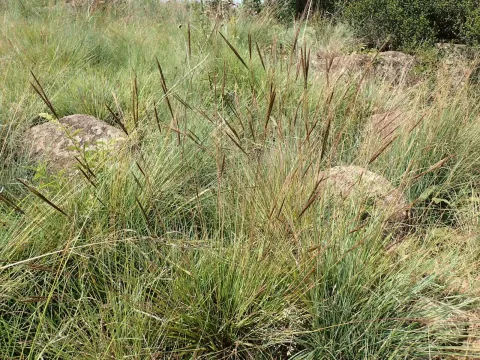
Diheteropogon
Diheteropogon
Diheteropogon is a genus of perennial grasses belonging to the Poaceae family. In agricultural contexts, these species are highly regarded for their role in providing sustainable forage and protecting soil integrity in tropical and subtropical pasture ecosystems.
What the section contains


Diheteropogon
Originating primarily from the African continent, the plant has evolved to thrive in savannah climates. It prefers open environments where direct sunlight is abundant, allowing the grass to optimize its photosynthetic potential during the peak growing season.
The botanical structure of Diheteropogon is defined by its strong, clumping growth habit, which acts as a natural stabilizer for soils prone to erosion. The leaves are typically narrow and fibrous, while the inflorescences are adapted for efficient wind pollination.
Cultivation requirements necessitate a warm climate, with ideal temperatures ranging between 20°C and 30°C. While it exhibits decent drought tolerance, the grass performs best when moisture is adequate during the establishment phase, allowing the roots to penetrate deeper into the soil.
Soil preferences lean towards well-drained, slightly acidic or neutral media. Waterlogging is detrimental to the health of Diheteropogon, so site selection should prioritize raised terrain or areas with permeable soil textures to prevent root suffocation.
Fungal diseases represent the most significant threat to Diheteropogon stands, particularly when high humidity levels persist for extended periods. Rust infections are common and can significantly reduce the nutritional value and biomass of the forage.
Insect pests, such as grasshoppers and locusts, often feed on the foliage, potentially leading to significant yield losses if not managed correctly. Furthermore, soil-dwelling larvae can damage the root crown, especially in newly established pastures.
Effective pest management involves rotational grazing strategies that prevent the overgrazing of sensitive plants. By allowing intervals for recovery, the grass maintains a higher resistance against infestations and stress-related disorders.
Chemical intervention should be considered a last resort, focusing instead on integrated pest management practices. Strengthening plant health via balanced nitrogen and phosphorus application helps the grass withstand minor pest attacks more effectively.
Frequent field inspections are essential for early detection of pathogen outbreaks. Removing excess dry matter through controlled harvesting or grazing prevents the accumulation of inoculum and promotes a healthier, more productive growth cycle.