
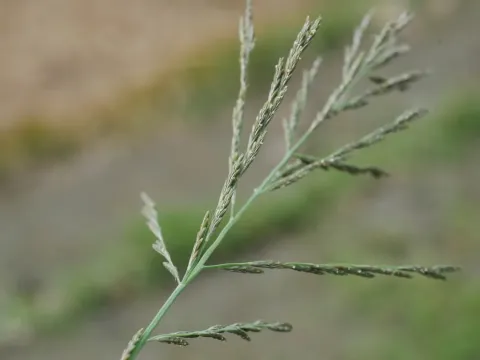
Diplachne
Diplachne
Diplachne sowing is typically conducted during the spring when soil temperatures at the seeding depth reach 12–15 degrees Celsius.
What the section contains

Diplachne
The optimal period coincides with reliable moisture levels, allowing seeds to germinate uniformly and establish a robust root system during early growth phases.
Recommended seeding depth ranges from 1.5 to 3 centimeters, depending on the soil texture and the degree of compaction in the topsoil horizon.
The seeding rate is calculated based on the intended use of the crop, usually ranging between 8 and 12 kilograms of seed per hectare.
Pre-sowing rolling is highly recommended to improve field emergence by ensuring optimal contact between the seeds and the moist soil matrix.
Diplachne belongs to the Poaceae (grass) family and is characterized as a halophytic and xerophytic plant capable of thriving in challenging environments.
This crop prefers well-lit areas and exhibits significant ecological plasticity, making it well-suited for growth in saline soils.
While the plant shows good tolerance to short-term drought, achieving maximum biomass productivity requires sufficient moisture levels during the stem elongation phase.
Diplachne is relatively undemanding regarding soil texture, successfully growing in substrates ranging from light sandy soils to heavy clay soils.
Optimal soil pH levels for healthy growth and development of the culture typically range from 6.5 to 8.5.
The biomass yield of Diplachne is strongly correlated with irrigation management and the availability of mineral nutrients throughout the growing season.
Under intensive cultivation with irrigation, the crop is capable of producing 2–3 cuts per season, ensuring high annual productivity.
Hay yields vary between 40 and 70 centners per hectare, depending on regional climatic conditions and agronomic inputs.
Application of nitrogen fertilizers during early spring and after the first cut significantly increases the output of nutrient-dense biomass per unit area.
Harvesting for seeds requires precise monitoring, as delayed harvest can lead to significant shattering losses in the field.
The crop possesses natural resistance, yet high humidity conditions can occasionally lead to the development of fungal diseases on the foliage.
The most significant insect pests include cereal flies and aphids, which target young shoots during the initial stages of development.
Disease management strategies rely on proper crop rotation practices and keeping fields free of weeds, which act as reservoirs for pathogens.
In cases of heavy pest infestation, the use of registered insecticides is recommended, provided that application guidelines are strictly followed.
Early-stage weed control is essential, as competition with unwanted vegetation significantly reduces the overall productivity of the crop stand.
Harvesting for green fodder or hay is best performed during the heading phase, when the plant contains the highest concentration of protein and nutrients.
Mowing should be performed at a height of 8–10 centimeters to promote rapid regrowth and maintain the long-term productivity of the stand.
When producing hay, active wilting in windrows is recommended to preserve leaf integrity and the nutritional value of the final forage.
For seed production, harvesting must occur at the wax-ripe stage, as immature seeds exhibit poor germination energy and viability.
To minimize losses during seed harvest, a two-stage method utilizing specialized windrowers is often preferred over direct combining.