
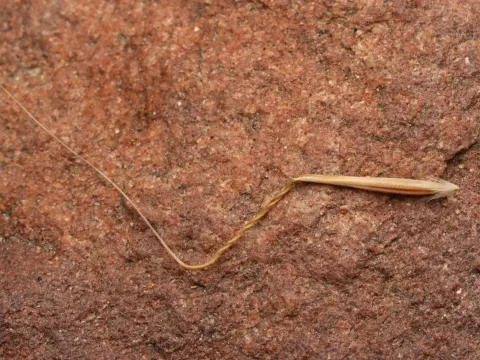
Dichelachne
Dichelachne
Sowing of Dichelachne is best performed in the spring when soil temperatures reach stable levels between 10 and 12 degrees Celsius. Seeds should be sown in well-prepared, fine-textured soil at a shallow depth of 1–2 centimeters to ensure uniform germination.
What the section contains


Dichelachne
In field conditions, proper seedbed preparation is crucial to minimize competition from broadleaf weeds. The crop requires a firm seedbed achieved through mechanical rolling, which ensures optimal contact between the seeds and the moist soil particles.
Depending on the region, early autumn sowing is also feasible, provided that moisture is sufficient for seedling establishment before the first frost. This allows the root system to develop well before the onset of the next growing season.
Seedlings typically emerge within 2–3 weeks under favorable conditions. Adequate moisture during the first month post-emergence is vital, as the initial growth phase of Dichelachne is relatively slow compared to other competitive grass species.
To maximize stand uniformity, broadcasting seeds followed by light harrowing or raking is recommended. Keeping the soil consistently moist until the plants reach the three-leaf stage significantly improves survival rates.
Dichelachne is a genus of perennial grasses belonging to the Poaceae family, widely distributed throughout Australia, New Zealand, and surrounding islands. These grasses are recognized for their elegant, plume-like inflorescences and structural landscape utility.
The plant thrives in a variety of soil types, ranging from sandy loams to heavier clays, provided that the site offers good drainage. Waterlogging is detrimental to the plant, often leading to crown rot and poor development of the root system.
Regarding climate, Dichelachne is adapted to temperate and subtropical conditions. It shows remarkable tolerance to mild drought, making it an excellent candidate for low-maintenance areas, although it responds well to fertilization and watering during peak growth.
Botanically, the genus features narrow, often involute leaves and distinctive panicles that can transition through various colors, including shades of bronze and silver. The plants form dense tufts that help stabilize topsoil and prevent erosion in exposed locations.
Maintenance involves seasonal pruning or mowing, usually conducted in late winter or early spring, to remove old biomass. This practice encourages fresh regrowth and helps maintain the aesthetic appeal of the grass stands throughout the season.
The primary threats to Dichelachne health include fungal pathogens such as rusts and various leaf-spotting diseases, particularly when humidity remains high for extended periods. Lack of air circulation within dense clusters often exacerbates these issues.
Pest pressures are generally manageable but may include aphids or soil-dwelling larvae, such as cutworms, which can cause significant damage to young shoots. Monitoring for early signs of infestation is essential for timely intervention.
Implementing a proper crop rotation strategy and ensuring clean field hygiene help reduce the buildup of soil-borne pathogens. Removing debris from previous harvests prevents the overwintering of spores that could infect the next crop cycle.
Invasive weed species represent a constant challenge for Dichelachne stands, especially during the establishment year. Integrated pest management, involving a combination of mechanical removal and selective herbicides, is the most effective approach.
The use of certified disease-free seeds is highly recommended to prevent the introduction of pathogens into new areas. Proper seed storage conditions, including cool and dry environments, are vital to maintain seed viability and health until the next sowing season.