
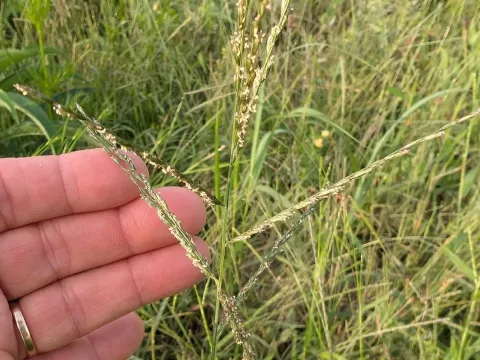
Disakisperma
Disakisperma Steud.
Disakisperma is a genus of perennial or annual grasses belonging to the Poaceae family. Formerly classified within the Leptochloa genus, it is now recognized as a distinct taxonomic entity in modern botany.
What the section contains

Disakisperma
These plants are primarily distributed in tropical and subtropical regions worldwide. They are known for their high adaptability to diverse soil conditions, including saline and compacted substrates which are often unsuitable for other crops.
Successful cultivation requires high temperatures during the growing season and ample exposure to sunlight. The plant features a robust root system that contributes to its resilience during periods of limited water availability.
While the genus favors well-drained open areas, some species exhibit tolerance to temporary waterlogging. In the wild, they are frequently found in lowlands and along river floodplains.
Agricultural management relies on maintaining proper soil moisture levels. Despite their inherent hardiness, these grasses respond well to fertilizer applications that promote rapid biomass accumulation.
The primary agricultural application of Disakisperma is as a source of pasture and green fodder. The crop provides livestock with nutritious forage characterized by a balanced fiber content essential for digestion.
Yield capacity fluctuates based on soil fertility and irrigation management. When managed in cultivated meadows, the genus can deliver reliable production cycles throughout the year.
A key biological feature is the plant's capacity for rapid regrowth following mowing. This characteristic enables multiple harvest cycles within a single growing season if cutting heights are strictly maintained.
Nutritional value is highest when harvested before stem lignification occurs. The forage is highly palatable to both large ruminants and small grazing livestock.
The genus is currently of interest to plant breeders as a potential source of genetic traits for enhancing the abiotic stress tolerance of other common forage grasses.
Common diseases affecting Disakisperma include various fungal rusts and leaf spots that thrive in humid conditions. Preventive measures include ensuring good air circulation and avoiding excessively dense stands.
Pests such as aphids and cereal flies pose the greatest threat to young plants, potentially causing stunted growth. These insects can also serve as vectors for various grass-related viruses.
Effective weed control is essential during the early stages of plant development, as seedlings grow slowly and can be easily outcompeted by invasive flora.
Regular field scouting is recommended, particularly during climate transitions, to detect early signs of infestation. Chemical interventions are advised only when pest thresholds are exceeded.
While the genus is generally robust, maintaining diversity or rotating crops remains a best practice to prevent the build-up of host-specific pathogens in the soil.