
Dinebra
Dinebra
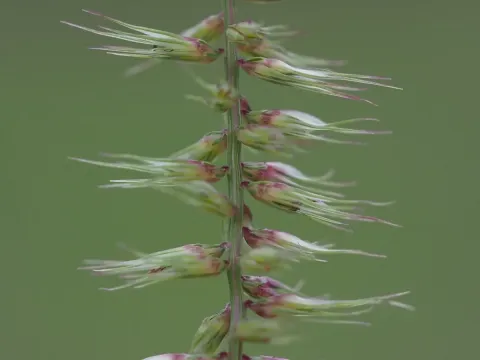
Dinebra is a genus of annual herbaceous plants belonging to the Poaceae (grass) family. These plants are scientifically recognized for their unique inflorescence structure, typically forming dense spike-like arrangements along the rachis.
What the section contains

Dinebra
The origin and distribution of this genus are primarily concentrated in tropical and subtropical regions across Africa and Asia. They have adapted to thrive in open, sun-exposed environments, often inhabiting arid savannahs or disturbed landscapes where competition for resources is high.
Regarding climate requirements, Dinebra thrives in warm conditions. While it demonstrates resilience to temporary dry spells, consistent soil moisture throughout the vegetative stage is essential for maximizing the yield of its green forage mass.
Soil preferences lean towards well-drained, fertile substrates. The crop performs best in diverse soil types but is highly sensitive to waterlogging; therefore, effective land drainage is a fundamental requirement for successful cultivation.
Economically, Dinebra is utilized primarily as a forage crop. It is highly valued in local pastoral systems for providing nutritious hay and grazing material in regions where standard agricultural grasses might struggle to adapt to harsh local conditions.
The major threats to Dinebra include common fungal diseases such as rust and smut, which can compromise both the yield quality and the overall health of the stand during wet seasons.
Pests, particularly grasshoppers and various lepidopteran larvae, pose a significant risk by defoliating the crop and reducing the photosynthetic surface, leading to reduced growth rates.
Management strategies for these threats involve implementing strict crop rotation practices and ensuring that fields are monitored regularly for early signs of infection or infestation.
Weed control remains a critical aspect of agronomy for this crop, especially during the early establishment phase, as Dinebra requires a weed-free environment to develop a robust root system.
Effective management includes integrated pest control measures and the use of balanced mineral nutrition to enhance the natural resilience of the plants against environmental stressors.