
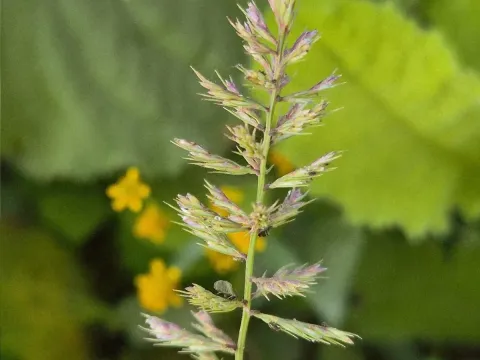
Dinebra
Dinebra Jacq.
Dinebra is a genus of annual grasses belonging to the Poaceae family. These plants are primarily native to tropical and subtropical regions of Africa and Asia, where they thrive in warm and humid environments.
What the section contains

Dinebra
The plant requires well-drained soil types to perform optimally. It is particularly sensitive to waterlogging, thus ensuring adequate drainage is essential for successful growth in various agricultural landscapes.
Climatic requirements focus on high temperatures and consistent moisture levels. As a heat-loving plant, Dinebra shows rapid development during the peak of the growing season when sunlight and humidity are at their highest.
Standard agronomic practices for this crop include light soil cultivation and surface sowing to ensure adequate seed-to-soil contact. Regular monitoring of nutrient levels, especially nitrogen, helps maintain high biomass production.
Dinebra is mainly utilized in forage systems. Its ability to regrow after grazing or cutting makes it a valuable resource for livestock farmers looking for high-quality pasture grasses in tropical zones.
Like many grasses, Dinebra is susceptible to fungal infections including rust and leaf spots. These diseases thrive in environments with poor air circulation and high humidity levels during the development stages.
Pests such as aphids and grass-feeding insects can cause significant damage to the leaf tissue. Effective pest management requires regular field inspections and the use of integrated pest control strategies.
Crop rotation serves as a critical practice to break the life cycle of soil-borne pathogens. By switching fields, farmers significantly reduce the risk of re-infection for future plantings of the crop.
Maintaining an optimal plant density is vital, as overly crowded fields promote higher pest populations and facilitate the rapid spread of diseases across the entire planting area.
Early detection of damage remains the most efficient way to manage threats. Applying preventive fungicides and natural predators can help keep the crop healthy without excessive chemical reliance.