
Diheteropogon filifolius
Diheteropogon filifolius
Description
Growing requirements
Diheteropogon filifolius, commonly known as a type of thread-leaf grass, is a perennial plant belonging to the Poaceae family. Native primarily to the African savanna regions, this species is well-adapted to surviving in diverse climatic conditions, ranging from moderate to high-temperature zones.
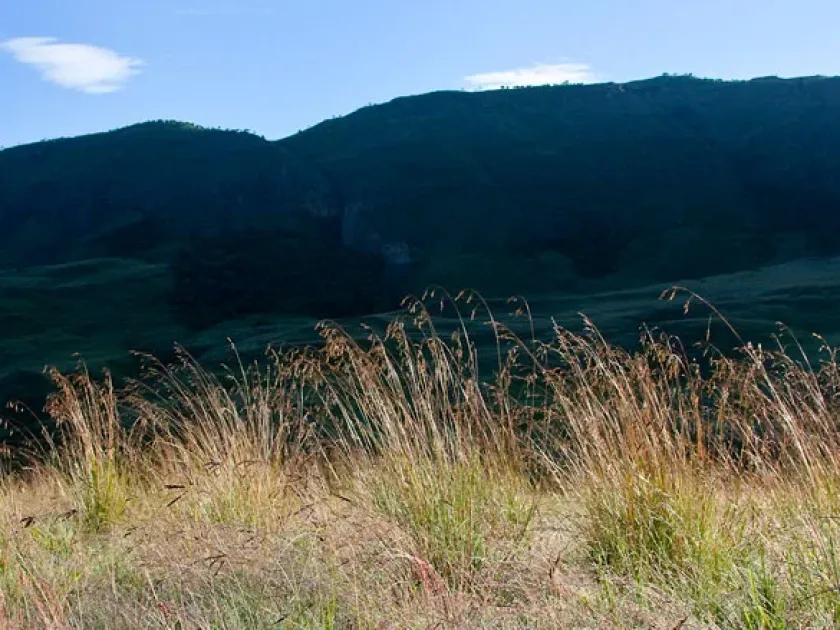
The botanical structure of this plant features a tufted growth habit with characteristic fine, thread-like leaves. This morphology is an evolutionary adaptation that helps the grass minimize transpiration and maintain hydration during the dry seasons common in its natural habitat.
For successful growth, this crop requires well-drained soil, preferably sandy or stony loams. It thrives in low-fertility soils where other crops might struggle, making it an excellent candidate for pasture restoration in degraded areas where the soil profile is thin or nutrient-deficient.
Regarding climate, the species requires full sun exposure to maintain its metabolic activities. It is highly sensitive to waterlogging; therefore, maintaining good drainage is essential to prevent root rot and ensure the longevity of the perennial clumps across different seasons.
The primary agricultural use of Diheteropogon filifolius is as fodder for livestock. It provides a reliable source of nutrition in pasture systems, particularly when managed through rotational grazing, which helps balance soil nutrient recycling and plant regrowth.
Main diseases and pests
The health of Diheteropogon filifolius stands is often challenged by fungal pathogens, specifically rust diseases. These infections manifest as lesions on the leaves, significantly impacting the plant's photosynthetic capacity and lowering its overall feed quality for grazing animals.
Insect pests, particularly locusts and other grasshoppers, pose a major threat by consuming foliage. Outbreaks of these insects can lead to rapid defoliation, which stresses the plants and slows down the recovery rate of the pasture after grazing events.
Soil-borne pathogens leading to root rot are common in fields where poor drainage is exacerbated by overgrazing. Compaction caused by livestock hooves often exacerbates these conditions, weakening the plant's root system and inviting opportunistic fungal growth.
Effective management requires weed control, particularly in the seedling establishment phase, to prevent invasive shrub species from shading out the young grasses. Once established, the density of the tufts usually helps suppress most unwanted vegetation.
Maintaining the resilience of the stand is achieved through balanced grazing pressure. By preventing over-utilization, the plant retains its energy reserves in the roots, enabling it to better resist environmental stressors and pathogenic pressures throughout the vegetative season.