
Chloris latisquamea
Chloris latisquamea
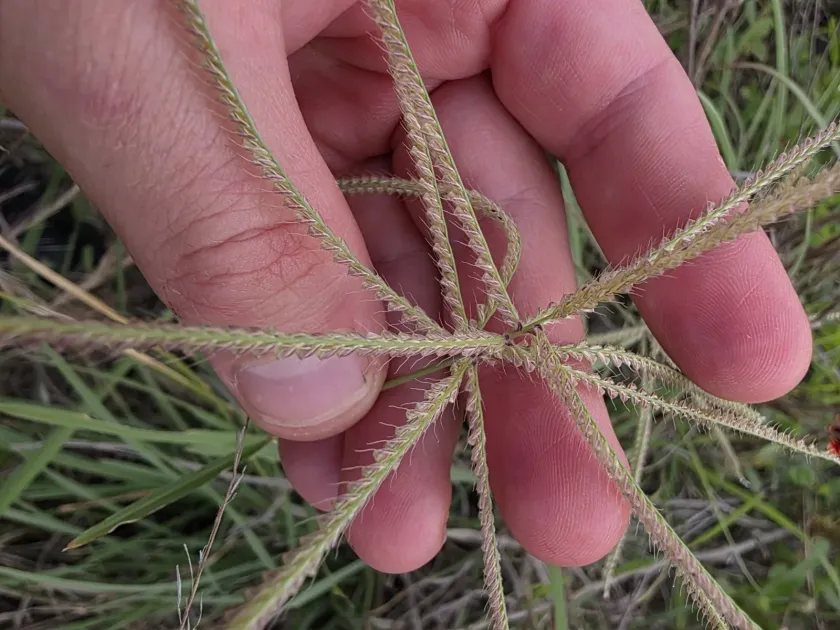
Description
Sowing dates
Chloris latisquamea is a perennial grass species belonging to the Poaceae family. It is typically found in tropical and subtropical climates, where it thrives in environments that experience periodic rainfall and high solar radiation.
The sowing process for this crop depends on local climatic conditions, specifically the start of the warm season when temperatures are consistently above 15 degrees Celsius. Seeds should be sown shallowly to ensure proper soil contact and moisture uptake for germination.
Growing requirements
This grass is highly valued for its extreme drought tolerance, allowing it to maintain growth in regions where water scarcity limits other forage options. It prefers well-drained, sandy or loamy soils and is generally indifferent to lower fertility levels.
The crop is strictly heliophilic, meaning it requires full exposure to direct sunlight for optimal biomass production. Any degree of shade will lead to stunted growth and reduced tillering capacity, eventually resulting in lower field density.
Successful cultivation requires minimal tillage to maintain soil structure and the preservation of moisture. Once established, the root system is highly effective at binding soil particles, which helps in preventing soil erosion on sloped fields.
Yield
The primary use of Chloris latisquamea is in the livestock sector, providing high-quality pasture and forage material. Its rapid recovery rate after harvesting makes it a preferred choice for intensive grazing systems that require constant biomass replenishment throughout the season.
Main diseases and pests
The main threats to the health of the stand include fungal diseases that manifest as root or leaf spots during periods of excessive humidity. Insect pests such as aphids and specific grass-eating lepidopteran larvae may also pose a risk if not monitored during the early development stages.
Harvesting
Harvesting is ideally timed just before the onset of the flowering stage to capture the highest nutrient density and crude protein content. Cutting should be performed at a height that allows the plants to retain a portion of their foliage to ensure quick regrowth for subsequent harvests.