
Chionochloa crassiuscula
Chionochloa crassiuscula
Description
Growing requirements
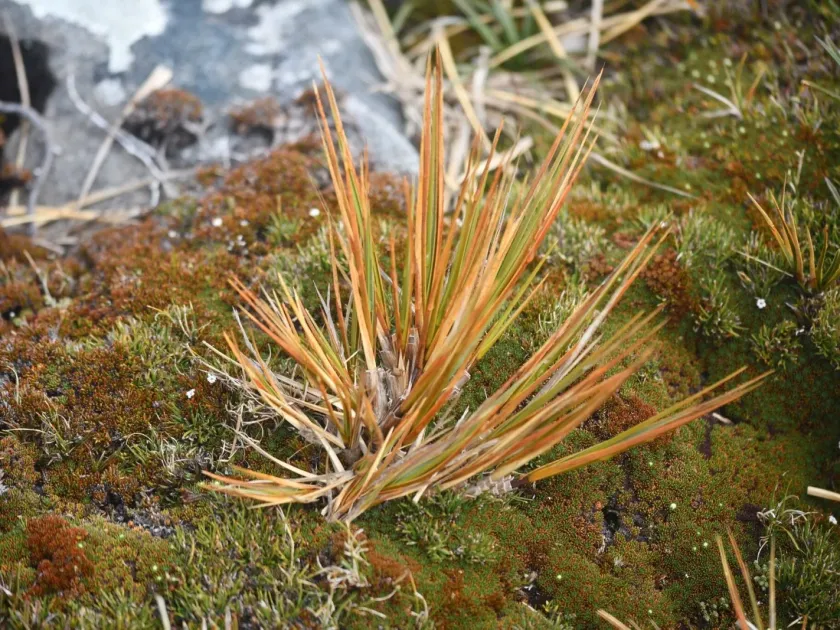
Chionochloa crassiuscula is a remarkable perennial grass belonging to the Poaceae family. Originating from the alpine regions of New Zealand, this plant is well-adapted to high-altitude environments characterized by cool temperatures and significant precipitation.
The cultural requirements for this species are specific: it demands well-draining, acidic to neutral soil. In garden settings, ensuring that the roots are not sitting in standing water is critical for survival, as the plant is highly susceptible to root rot in poorly aerated substrates.
In terms of climate, Chionochloa crassiuscula thrives in temperate zones with high humidity and cool summers. It is not suitable for hot, dry regions, as high temperatures often lead to physiological stress and rapid decline in the plant's structural integrity.
The botanical architecture of the plant involves dense, stiff tussocks of grey-green, leathery leaves. Its slow-growing nature makes it a stable and long-lived feature in a rock garden or alpine border, where its compact size is highly appreciated by horticulturists.
Its primary use is ornamental. It is highly sought after by designers who specialize in naturalistic and alpine-style gardens. When planted in groups, it creates a striking textural element that maintains its visual appeal across all four seasons.
Main diseases and pests
The most common health issues for this species are fungal diseases, particularly those affecting the root and crown area. These pathogens usually thrive in damp, stagnant environments where air circulation is restricted around the base of the tussock.
Pest threats include slugs and snails, which can cause significant damage to the lush, young growth during the spring months. In some instances, aphids might colonize the grass blades, leading to stunted growth if left unmonitored for an extended period.
Cultural control remains the best defense: planting in raised beds or gravelly soils, providing full to partial sun, and ensuring proper spacing between plants to encourage airflow. Avoiding overhead watering can also significantly reduce fungal infection risks.
Regular maintenance, such as the careful removal of dead organic material from the center of the grass tuft, is vital for plant longevity. This practice reduces the accumulation of debris that can harbor pests and moisture-loving pathogens.
If symptoms of decline occur, immediate application of appropriate fungicides or pest control measures is recommended. However, it is essential to prioritize environment-friendly solutions to prevent soil contamination and damage to the beneficial microflora.