
Chionochloa conspicua
Chionochloa conspicua
Description
Growing requirements
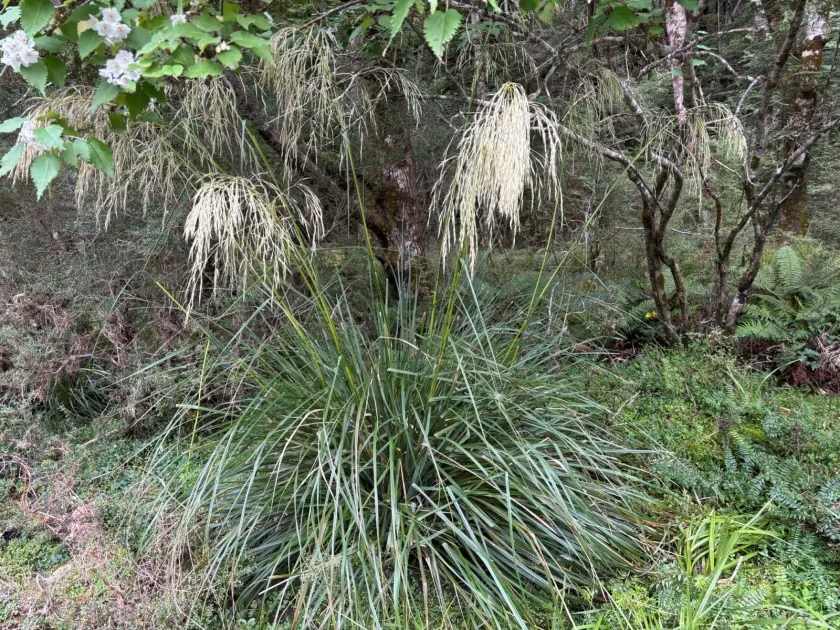
Chionochloa conspicua, commonly known as the Hunangamoho, is a striking perennial species belonging to the Poaceae family. Native to New Zealand, this grass has adapted to alpine and sub-alpine environments, making it a robust choice for temperate climate gardening.
Botanically, it is characterized by large, arching clumps of evergreen foliage. The leaves are narrow and tough, transitioning into magnificent, plume-like flower spikes that can reach significant heights. These inflorescences are its primary decorative asset, creating a soft, airy look in any garden setting.
To cultivate Chionochloa conspicua successfully, one must ensure a site with excellent soil drainage. It thrives in soils that are rich in organic matter but do not retain excessive water. Heavy clay soils should be amended with organic materials and grit to mimic the well-drained alpine conditions of its natural habitat.
The plant performs best in full sun, though it appreciates a bit of shelter from intense midday heat in warmer regions. It is relatively frost-hardy but should be protected from harsh winds that may cause the long, elegant stems to collapse or break.
Landscape professionals typically use this grass in rock gardens, along gravel paths, or as a focal point in contemporary naturalistic planting schemes. It provides year-round structure and textural contrast, especially when paired with broad-leaved perennials.
Main diseases and pests
The most common threat to this species is crown rot, which often occurs due to poor air circulation and excessive moisture in the center of the clump. Regular grooming, such as removing dead foliage in late winter, helps maintain good airflow and prevents the accumulation of moisture.
In terms of pests, slugs and snails can cause damage to the tender base of the plant during the early growth stages in spring. Occasionally, aphids may appear on the flower spikes, but these are usually controlled by natural predators or simple horticultural soaps if an infestation occurs.