
Snow tussock
Chionochloa australis
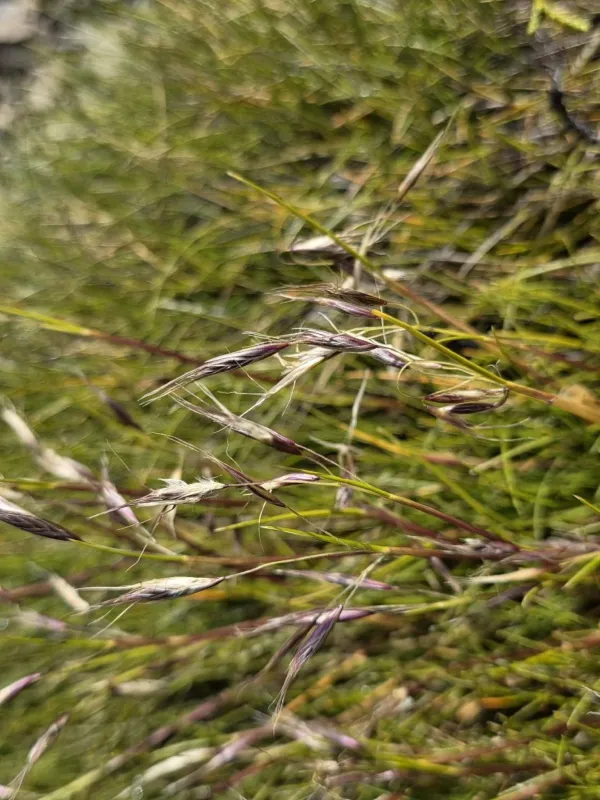
Description
Growing requirements
Chionochloa australis, commonly known as snow tussock, is a perennial bunchgrass belonging to the Poaceae family. This species is endemic to the high-alpine regions of New Zealand's South Island, where it plays a fundamental role in soil stability and local biodiversity.
The plant exhibits a tussock growth habit with narrow, tough, and glaucous leaves. It has evolved physiological adaptations to survive in harsh alpine environments, characterized by high wind exposure and frequent frost, making it a robust species for specialized landscapes.
Successful cultivation of Chionochloa australis requires specific edaphic conditions, primarily well-drained, acidic, and nutrient-poor soils. It is highly sensitive to waterlogged conditions, which can lead to rapid root decay, making soil preparation and drainage management critical.
The climate requirements for this culture involve cool temperatures and high atmospheric humidity. It performs poorly in hot, dry climates, which restricts its agricultural and ornamental range to regions with temperate or alpine weather patterns.
In terms of хозяйственного (economic/practical) use, it is primarily utilized in niche horticulture for rock gardens and specialized alpine landscaping. Its structural appearance provides excellent seasonal interest, making it a sought-after plant for temperate climate gardens.
Main diseases and pests
Snow tussock is generally resistant to many common lowland cereal diseases. The primary threats involve fungal pathogens that target the root system, usually triggered by improper soil moisture levels and poor aeration during the growing season.
While insect damage is minimal in natural alpine habitats, cultivated specimens may face pressure from generalist pests if grown in confined or non-native conditions. Preventive maintenance focusing on avoiding overwatering is the most effective management strategy for healthy growth.