
Chionochloa cheesemanii
Chionochloa cheesemanii
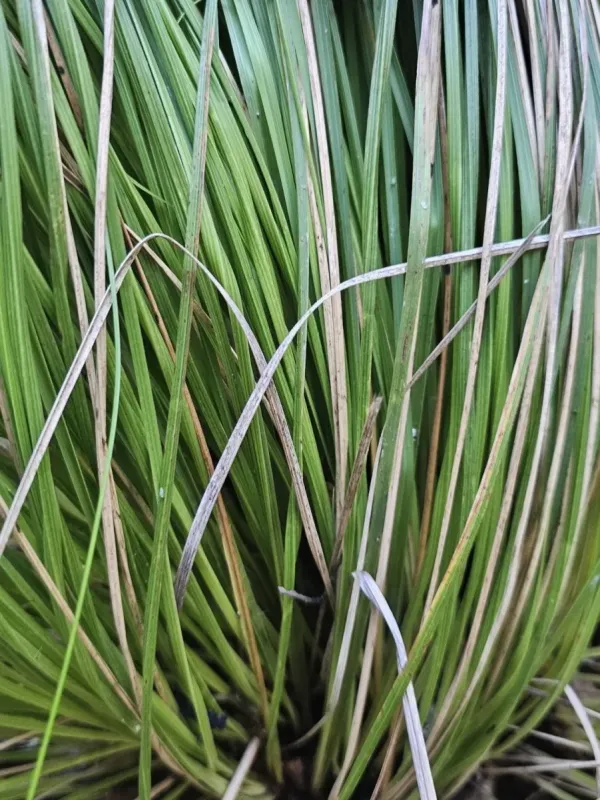
Description
Growing requirements
Chionochloa cheesemanii is a distinctive perennial grass belonging to the Poaceae family. Native to the alpine regions of New Zealand, it is highly valued for its elegant, tussock-forming growth habit and hardy nature in specific landscape designs.
The plant features stiff, linear leaves that create a dense, fountain-like structure. Its foliage typically maintains a grey-green to olive hue, making it an excellent architectural element for rock gardens or alpine-themed beds.
Cultivation success depends on replicating alpine conditions. The plant thrives in cool temperatures and prefers areas with good air movement, making it well-suited for temperate climates with cool summers.
In terms of soil, Chionochloa cheesemanii requires a gritty, well-draining substrate. It is adapted to nutrient-poor soils, and excessive fertilization should be avoided as it may lead to weak, elongated growth.
Consistent but light moisture is ideal for the root zone. However, the plant is intolerant of waterlogged conditions, which can quickly lead to physiological stress and root rot. Proper site selection regarding drainage is paramount.
Main diseases and pests
Root rot is the most common threat to this species, primarily caused by inadequate soil drainage or prolonged soil saturation. Ensuring a loose, aerated soil structure is the best preventative measure.
In humid or stagnant air conditions, fungal leaf spots may emerge. Pruning the plant annually to remove dead thatch helps improve air circulation and significantly reduces the risk of fungal proliferation.
Pests such as aphids may occasionally infest new growth, especially during periods of environmental stress. Monitoring the plant and using physical removal or soft soap sprays is generally effective.
Slugs and snails may browse on the foliage during wet spells. Protective barriers or organic bait can be used to mitigate damage in ornamental garden settings where the grass is planted near moisture-retentive areas.
Overcrowding can lead to a decline in vigor. It is recommended to provide sufficient space between individual clumps, allowing for proper sunlight penetration and moisture management throughout the growing season.