
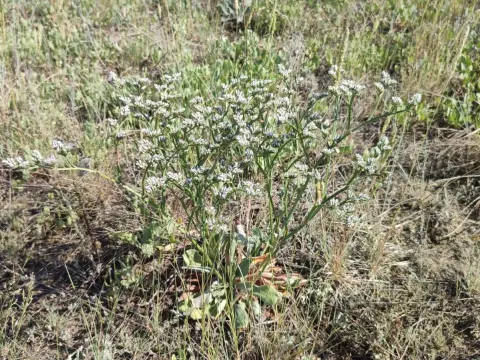
Goniolimon
Goniolimon
Goniolimon is typically propagated by seeds, which can be sown directly outdoors in late autumn or early spring. For early flowering, starting seeds indoors in late winter or early spring is highly recommended to ensure a stronger start.
What the section contains


Goniolimon
Seeds require light for optimal germination, so they should be surface-sown or covered with a very thin layer of substrate. Maintaining a steady temperature between 18-20°C helps in achieving higher germination rates.
Seedlings should be pricked out into individual pots once they reach the two-leaf stage. Using well-draining soil mixes during this phase is critical to prevent damping-off diseases common in young seedlings.
Transplanting into the garden bed should occur once the danger of frost has passed in late spring. Proper hardening off the plants before planting is essential for their successful establishment.
Spacing is vital for the health of mature plants. A distance of at least 30-40 cm between individual plants ensures proper airflow, which is the primary preventive measure against fungal outbreaks.
Belonging to the Plumbaginaceae family, Goniolimon is a drought-tolerant perennial species native to arid steppes. It thrives in conditions that would be challenging for more delicate garden varieties.
The plant requires full sun to produce its signature profuse blooms. Any degree of shade will result in spindly growth and a significant reduction in the quantity of the flower stalks produced.
Goniolimon demands excellent soil drainage. It performs best in sandy or rocky soils with neutral to slightly alkaline pH levels, mimicking its natural habitat where water drains away quickly.
Once established, the plant is highly resistant to drought. Watering should be infrequent and deep, allowing the soil to dry out completely between sessions to ensure the longevity of the root system.
Fertilization should be handled with caution. Over-fertilizing, particularly with nitrogen, will stimulate excessive leaf development and may lead to weakened stems that are prone to lodging.
The most common threats to Goniolimon are fungal diseases such as powdery mildew and grey mold, which typically appear when the plants are grown in poorly ventilated or excessively damp environments.
Prevention involves strategic spacing of plants and ensuring that the base of the plant remains dry. Removing any debris or dead leaves from around the base of the plant helps improve air circulation.
Insect pests including aphids and spider mites can cause significant damage by feeding on tender flower buds. These pests proliferate rapidly in warm, dry weather conditions.
Regular inspection of the foliage is recommended to catch infestations early. Applying systemic insecticides or horticultural oils can be effective in managing pest populations before they impact the floral quality.
Crop rotation is advisable to prevent the build-up of soil-borne pathogens. Avoid planting Goniolimon in areas where other members of the Plumbaginaceae family have recently been grown.
Goniolimon is primarily grown as a commercial or hobbyist crop for the dried flower market. Its inflorescences retain their shape and delicate structure exceptionally well after drying.
Harvesting should take place when the flowers are fully opened but before they begin to fade. Cutting the stems in the morning after the dew has evaporated ensures the best quality for drying.
The stems must be dried in small bunches hung upside down in a cool, dark, and well-ventilated room. Keeping them away from direct sunlight is crucial to preserve the natural pigmentation of the flowers.
The drying process usually takes around two weeks. Once fully dehydrated, the stems become rigid and can be used in long-lasting floral arrangements or artisanal crafts.
In landscaping, Goniolimon is valued for its delicate, cloud-like appearance, making it an excellent candidate for rock gardens and borders where it provides texture and architectural interest.