
Polanisia viscosa
Polanisia viscosa
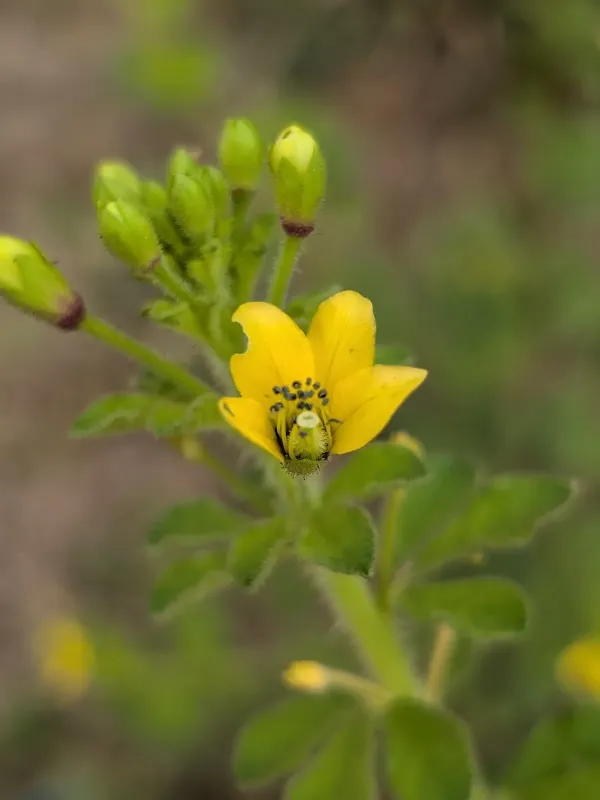
Description
Sowing dates
Polanisia viscosa, a member of the Capparaceae family, requires specific thermal conditions to trigger successful germination of the seeds in field conditions.
Sowing should take place once the danger of spring frost has completely passed and the soil temperature has stabilized in the 15–20°C range.
Seeds are typically sown in rows with a spacing that allows for proper development of the branching system characteristic of this plant species.
Shallow depth of sowing is crucial for this crop, as deeper placement often results in uneven emergence and reduced overall plant density.
Given the nature of the plant, farmers should ensure that the seedbed is firm but well-aerated to provide ideal contact between the seed and soil particles.
Growing requirements
This crop thrives in well-drained, sandy loam soils that do not retain excess water, which could otherwise be detrimental to its root system development.
Full sun exposure is an absolute necessity for Polanisia viscosa; even partial shade significantly decreases the photosynthetic rate and final yield.
Although it is relatively hardy, consistent moisture availability during the vegetative stage is key to achieving optimal biomass production and seed set.
It prefers neutral pH soil, though it displays a degree of tolerance towards slightly alkaline conditions common in various agricultural regions.
Proper nutrient management, focusing on phosphorus and potassium, encourages stronger flowering and better seed quality in later stages of maturity.
Main diseases and pests
The primary threats include aphids which exploit the sticky glandular hairs of the plant to feed and establish colonies on stems and leaves.
Fungal pathogens like powdery mildew may arise during periods of high atmospheric humidity, significantly affecting the aesthetic and agricultural value of the crop.
Soil-borne fungi can lead to damping-off issues in young seedlings if the planting site is characterized by poor drainage and low temperatures during early growth.
Integrated pest management strategies are recommended to mitigate the impact of insects while preserving the beneficial biodiversity in the field environment.
Monitoring for signs of wilting or discoloration is essential to catch diseases early, allowing for targeted intervention before large-scale damage occurs.