
Goniolimon graminifolium
Goniolimon graminifolium
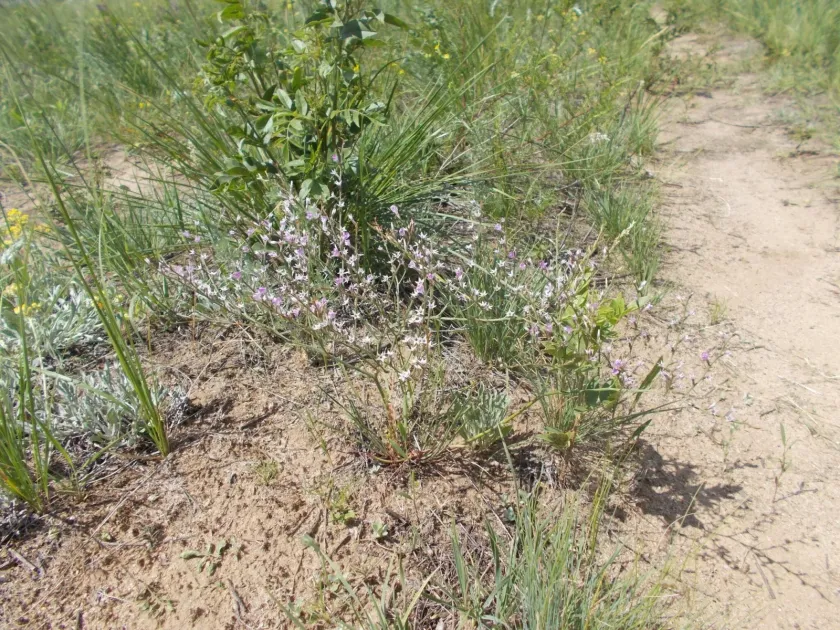
Description
Sowing dates
Sowing of Goniolimon graminifolium is best performed in early spring or late autumn. The seeds require light for optimal germination, so they should be sown on the surface of the growing medium or covered only very lightly with fine, sterile sand.
For container-grown seedlings, maintain a constant temperature around 18–20 degrees Celsius. Ensure that the substrate is kept moist but not saturated, as the seeds are prone to rotting if they are left in stagnant water for an extended period.
Once the seedlings develop their first true leaves, they should be transplanted into individual pots to avoid root competition. Using peat-free or well-draining potting soil is recommended to encourage healthy root development and reduce transplant shock later on.
Hardening off the seedlings is an essential step before planting them into the open ground. Gradually increase their exposure to outdoor conditions over 7–10 days to help the young plants adapt to fluctuating temperatures and stronger light intensity.
Transplanting into the permanent location should be done carefully to keep the root ball intact. Ensure that the planting depth matches the original soil level in the containers to prevent collar rot and other moisture-related issues.
Growing requirements
Goniolimon graminifolium is a perennial herbaceous plant from the Plumbaginaceae family. It is naturally adapted to steppe-like environments, preferring open sites with full sun and a high degree of resistance to arid conditions.
The plant thrives in sandy or light, well-draining soils with a neutral to slightly alkaline pH. Proper soil structure is critical for this species, as it cannot tolerate waterlogging, which often leads to the death of the root system during winter months.
In terms of fertilization, Goniolimon is not particularly demanding. Over-fertilization, especially with nitrogen, can lead to excessive foliage growth at the expense of floral production. A balanced, low-concentration mineral fertilizer applied once in early spring is generally sufficient.
Climate-wise, the plant is highly resistant to heat and moderate drought once established. It is well-suited for rock gardens and xeriscaping projects, where it can provide structural beauty with minimal maintenance once its deep root system is developed.
Good air circulation is vital for maintaining plant health. Avoiding densely planted areas helps prevent the buildup of moisture around the base of the plant, which is the most common cause of fungal issues in cultivated settings.
Main diseases and pests
Fungal diseases are the primary threat to Goniolimon graminifolium, particularly in areas with high humidity. Root rot and crown rot occur most frequently when drainage is poor or when the soil remains constantly wet after heavy rainfall.
Powdery mildew can affect the foliage during warm, humid seasons. Preventive measures include ensuring proper plant spacing and applying preventative fungicides if environmental conditions are conducive to the spread of the disease.
Pests such as aphids and spider mites can attack the plants during dry spells. These insects feed on the tender young growth and can cause significant distortion to the flower spikes, negatively impacting the overall market quality of the harvest.
Integrated pest management strategies are recommended to keep damage levels low. This includes monitoring for early signs of infestation and using biological control agents or targeted pesticides whenever necessary to avoid harming beneficial pollinators.
Sanitation practices play a crucial role in preventing long-term infestations. Removing dead foliage and infected plant matter at the end of the season reduces the availability of overwintering sites for pathogens and insect pests.
Harvesting
The optimal time for harvest is when the flowers are fully open. Harvesting at this stage ensures that the flower spikes maintain their aesthetic appeal, color intensity, and structure during the drying process, which is critical for floristry.
Harvesting should be performed in the morning, only after the dew has evaporated. Using clean, sharp tools to cut the stalks is essential to minimize stress to the parent plant and ensure that the stems have a clean surface for faster drying.
The cut flowers should be bundled and hung upside down in a cool, dark, and well-ventilated area. Drying away from direct sunlight is essential to preserve the vibrant pigments, which can easily fade if exposed to UV rays.
As a popular dried flower, Goniolimon is used extensively in the production of everlasting bouquets and decorative wreaths. Its delicate texture and lasting durability make it a highly sought-after material in the commercial floriculture industry.
With proper care and environmental conditions, a planting of Goniolimon graminifolium can remain productive for several years. Consistent harvesting practices encourage the plant to produce new growth, provided that the energy reserves in the roots are maintained.