
Goniolimon besserianum
Goniolimon besserianum
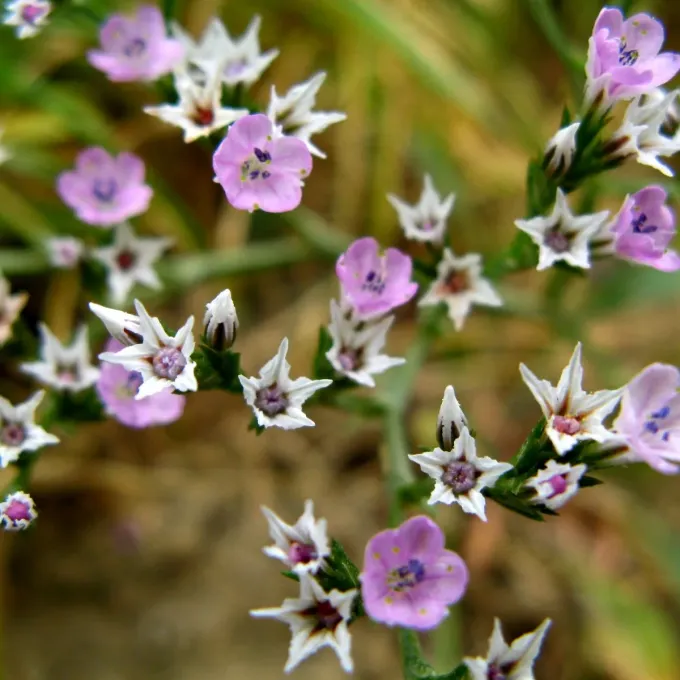
Description
Sowing dates
Sowing of Goniolimon besserianum seeds is recommended during late autumn or early spring in a protected environment. The seeds have moderate germination energy, so pre-sowing stratification can significantly increase the success rate.
When sowing in open ground, it is crucial to ensure consistent soil moisture until emergence. The optimal temperature for seed germination ranges between +18 and +22 degrees Celsius.
Since emergence can be uneven, using a tray method for seedling production is highly effective. This approach minimizes root system damage during subsequent transplanting to the permanent site.
Seedlings should be transplanted outdoors only after the risk of late spring frosts has passed. The plant develops rather slowly during its first year, focusing on establishing a basal leaf rosette.
Maintain a spacing of at least 30–40 centimeters between individual plants. This ensures proper air circulation and prevents the development of fungal diseases caused by excessive density.
Growing requirements
Goniolimon besserianum is a member of the Plumbaginaceae family, natively thriving in open, sun-drenched environments. As a xerophyte, it is highly demanding regarding direct solar intensity.
Successful growth requires light, well-drained soils with a neutral or slightly alkaline pH. Heavy, clay-based soils that retain water are detrimental to the root system of this perennial.
The crop is highly resistant to drought and heat waves. However, for high-quality flower stem production during the active growing season, moderate irrigation is required while avoiding waterlogging.
This plant exhibits excellent cold hardiness and can overwinter in temperate climates without significant cover. A critical requirement for winter survival is avoiding moisture accumulation in the root zone during late autumn.
The culture responds well to potassium-phosphorus fertilizer applications at the beginning of the blooming phase. Excess nitrogen leads to excessive vegetative growth at the expense of flower stem quality.
Yield
The primary economic output from cultivating Goniolimon besserianum is the harvest of high-quality flower stems used as dried flowers. Yield depends on the age of the plant, peaking in the second or third year.
One square meter of plantation can yield between 15 and 25 full flower stems per season. Stable production is ensured through proper spacing and regular mechanical weed control between rows.
Flowering intensity is directly correlated with the number of sunny days during the growing period. In cloudy, rainy summers, the plant's productivity decreases noticeably.
To increase the marketability of stems, regular weeding is essential as it removes competitors that consume water and nutrients needed by the Goniolimon.
Harvesting should occur during the mass-flowering phase, when all small flowers are fully open. This guarantees maximum decorative value and long-term shape retention after the drying process.
Main diseases and pests
The main threat to Goniolimon is root rot, which typically arises from improper agricultural management. Overwatering and poor soil drainage are the primary factors promoting fungal pathogen growth.
Under conditions of high air humidity, powdery mildew may occur. Prevention relies on ensuring sufficient airflow around the base of the plant to prevent stagnant microclimates.
Pests rarely cause significant damage, although severe drought may encourage aphid infestations on young stems. Insecticide treatment is necessary only in cases of heavy pest pressure.
Nematodes may attack the root system in depleted or infested soils. Practicing crop rotation and using certified, disease-free planting material significantly reduce the risk of infestation.
Regular monitoring of the plantation is recommended to detect pathogens early. Immediate removal of wilting or infected plant parts is a crucial sanitation practice throughout the season.
Harvesting
Harvesting should be conducted in dry weather, ideally in the early morning after dew has evaporated. Stems are cut with a portion of the stalk, making it easier to bundle them.
After harvesting, plants must be moved immediately to a dark, well-ventilated drying area. Direct sunlight during the drying process can cause the vibrant colors of the inflorescences to fade.
Drying is performed by hanging the stems upside down. This method preserves the natural shape of the stalks and prevents bending or deformation during the dehydration process.
Once completely dried, the stems maintain their decorative appeal for many months. They are widely used by florists for professional winter bouquets and artistic arrangements.
Properly dried material will not shed and will retain its structural integrity. Storing finished products in a low-humidity environment is essential to prevent deterioration and mold growth.