
Goniolimon tataricum
Goniolimon tataricum (L.) Boiss.
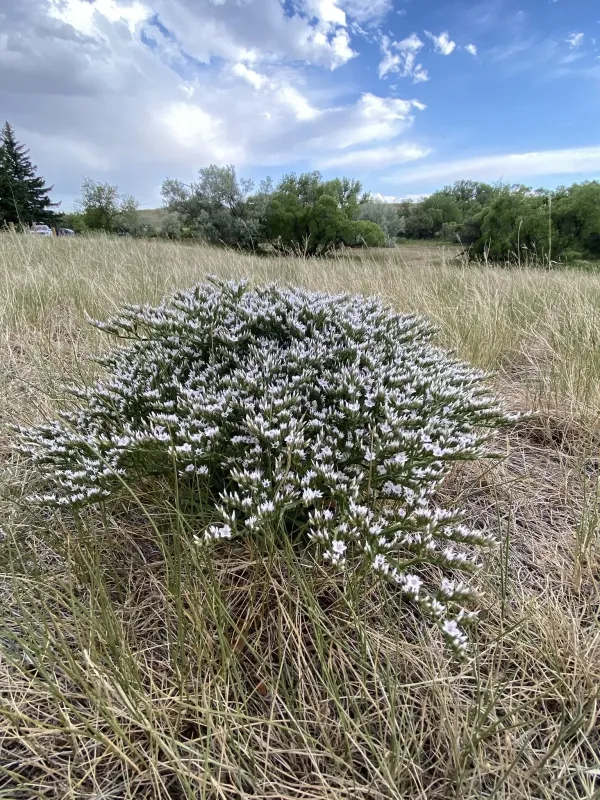
Description
Sowing dates
Sowing of Goniolimon tataricum seeds is typically performed in early spring, from March to April, using greenhouse trays or cold frames to ensure stable conditions.
The seeds require stratification to break dormancy and increase germination rates. After sowing, containers are often kept in cool conditions for several weeks to simulate natural cycles.
Seedlings should be pricked out into individual pots once the first true leaves appear. This crop develops a deep taproot early on, making individual pots essential to minimize transplant shock later.
Transplanting into the permanent field site should occur in late May or early June after the risk of frost has passed. Maintain a spacing of at least 30-40 cm to allow for full root development.
Direct seeding in the field is possible in warmer regions, but it is less predictable than the greenhouse method due to the slow initial growth of the young plants.
Growing requirements
Goniolimon tataricum, a member of the Plumbaginaceae family, thrives in full sun. It requires open sites with maximum exposure to light to ensure high-quality flower production.
The crop prefers light, well-drained, sandy or loamy soils. It is highly sensitive to waterlogging, as stagnant moisture quickly leads to root decay and plant mortality.
This species is well-adapted to arid and semi-arid conditions, displaying excellent drought tolerance and salt tolerance, which makes it ideal for challenging soils.
Soil pH should ideally be neutral or slightly alkaline. In acidic soils, development is stunted, so the application of lime or dolomite powder is recommended before planting.
Maintenance is minimal once the plants are established. The main task is controlling weeds during the first year of growth until the basal leaf rosettes cover the ground.
Yield
The yield of Goniolimon tataricum is measured by the quantity and quality of its branched, panicle-like inflorescences produced per plant each season.
Yield significantly increases from the second year onwards as the root system matures and the plant establishes a stronger presence in the soil.
Applying mineral fertilizers with low nitrogen content before the budding stage encourages better inflorescence structure and strengthens the stems for post-harvest durability.
For professional floriculture, maintaining a uniform planting density is essential to ensure that every harvested stalk meets the aesthetic standards of the market.
Productivity is also tied to proper pest and disease management, as healthy foliage is necessary to support the energy-intensive process of flower production.
Main diseases and pests
While generally robust, Goniolimon tataricum is vulnerable to root rot if grown in poorly drained, overly wet soil, which is the most common threat to this crop.
Powdery mildew may occur in stagnant, humid environments. Ensuring adequate airflow between plants by observing correct spacing is the primary preventative measure.
Aphids can occasionally infest the plants during prolonged dry spells. If necessary, systemic insecticides should be used, but usually, natural predators keep populations in check.
Sanitary measures such as removing old, decaying leaves from the basal rosette in late autumn help reduce the risk of fungal infections overwintering on the site.
Consistent monitoring of soil moisture levels is critical; avoiding over-irrigation is the single most important step in protecting the crop from typical physiological threats.
Harvesting
Harvesting for dried flower production should take place on a dry day once the inflorescences are fully open but before they begin to fade or turn brown.
Stalks are cut with sharp tools and bundled in small batches. It is important not to bind them too tightly, as good air circulation is required during the drying process.
The bundles should be hung upside down in a dark, well-ventilated area to maintain the shape and color of the tiny florets and prevent them from bending.
Once dried, the crop retains its rigidity and aesthetic appeal for years, making it a highly valued botanical product in the interior decoration industry.
Dried flowers can be further preserved using light floral sealants, which help prevent dust accumulation and enhance their resistance to environmental factors.