
Pointed-leaf persimmon
Diospyros acuminata
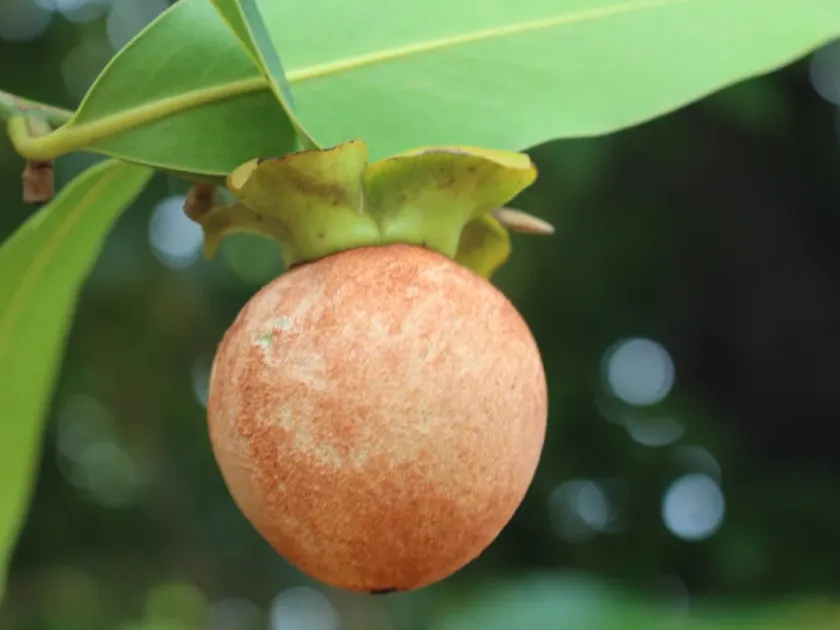
Description
Growing requirements
The pointed-leaf persimmon (Diospyros acuminata) belongs to the Ebenaceae family. Originating from the tropical and subtropical regions of Asia, this species thrives in environments characterized by stable warmth and high humidity levels.
The botanical structure of this plant features dense foliage with distinctively pointed leaves, which is reflected in its scientific name. Like other members of the genus Diospyros, it is known for slow growth and durable, high-quality wood.
Optimal growth requires fertile, well-drained soils with a slightly acidic to neutral pH. Providing a substrate that avoids waterlogging is essential, as the root system of this species is highly susceptible to rot under conditions of poor drainage.
The species requires a climate with significant sun exposure and minimal temperature fluctuations. While it can adapt to various conditions, it remains a frost-sensitive plant, necessitating cultivation in greenhouse environments in non-tropical regions.
Economically, this plant is valued for its potential in fruit production and its premium timber. Its cultivation is specialized, often focused on organic methods to ensure the health of the fruit and the longevity of the tree.
Main diseases and pests
Fungal diseases, including leaf spot and various types of blight, represent the primary phytosanitary threat to Diospyros acuminata. These pathogens typically flourish in poorly ventilated and overly humid growing environments.
Insect pests such as scale insects and mealybugs can cause significant damage to young shoots and leaves. These pests weaken the plant by extracting sap and can lead to secondary infections if left untreated.
Integrated pest management (IPM) is recommended, utilizing targeted biological controls and safe chemical agents only when infestation levels exceed economic thresholds. Frequent monitoring is the best strategy for prevention.
Proper pruning practices are crucial for maintaining tree health and preventing the spread of diseases. Removing deadwood or infected branches helps improve airflow through the canopy, significantly reducing the risk of fungal outbreaks.
Maintaining balanced soil fertility helps the plant resist attacks from common pests. Adequate levels of phosphorus and potassium are particularly beneficial for strengthening the cellular structure of the branches and leaves.