
Goniolimon elatum
Goniolimon elatum (Fisch. ex Spreng.) Boiss.
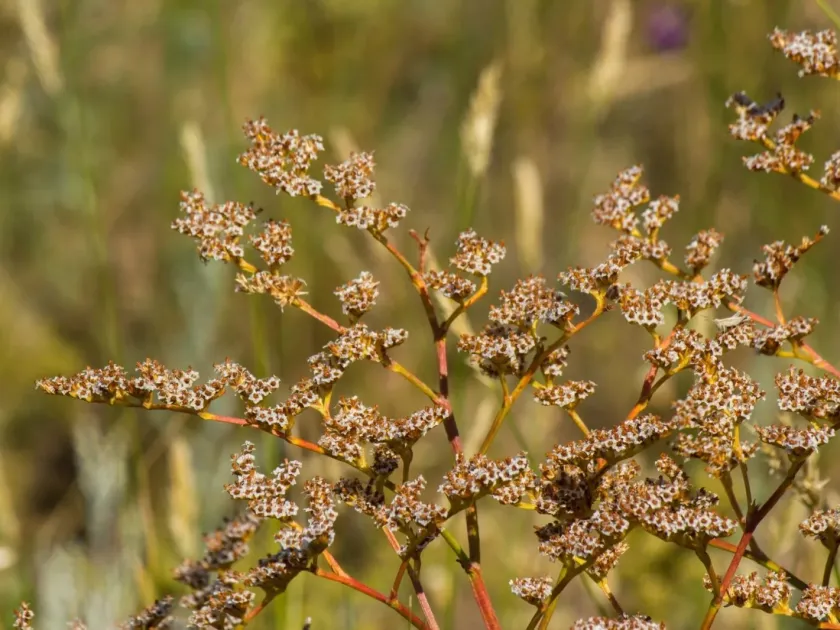
Description
Sowing dates
Goniolimon elatum is typically propagated by seeds. Sowing in the open ground is performed in mid-spring, once the soil has warmed sufficiently for consistent germination.
For earlier flowering, seeds can be started indoors in late winter. It is crucial to use a well-draining potting mix to prevent the taproot from rotting early in its development.
Seeds should be covered with a very thin layer of soil, as they require some light for optimal germination. Keeping the seed tray in a cool, bright spot is generally recommended.
Seedlings should be pricked out into individual pots once they reach the two-leaf stage, handling the taproot with great care to ensure it remains straight and undamaged.
Transplanting into the garden should occur only after the danger of severe frost has passed, ensuring plants are spaced 30 to 40 cm apart for proper growth.
Growing requirements
Belonging to the Plumbaginaceae family, Goniolimon elatum is a robust perennial well-adapted to harsh, dry environments. It features a deep taproot that helps it survive water scarcity.
The plant thrives in full sun and requires well-drained, sandy, or rocky soil. It is highly intolerant of stagnant moisture, which can quickly lead to root decay and plant failure.
Maintenance needs are relatively low as the plant is adapted to nutrient-poor soils. Over-fertilization should be avoided, as it can lead to weak growth and decreased winter hardiness.
Goniolimon elatum displays good tolerance to cold, provided the soil remains free of excessive moisture throughout the winter months, which is key for its survival in colder regions.
Regular cultivation and weeding are essential during the first year of establishment, as young plants may struggle to compete with aggressive weeds in an open garden setting.
Main diseases and pests
The most significant threat to Goniolimon elatum is root rot, typically caused by fungal pathogens when plants are grown in heavy clay soils or areas with poor water drainage.
Botrytis (grey mold) can also occur during periods of high humidity or poor air circulation, particularly if plants are placed too close together in a design.
Pests like aphids and spider mites may occasionally infest the plant, usually appearing during hot and dry spells, necessitating basic integrated pest management practices.
Ensuring proper spacing and providing good air circulation around the plants significantly reduces the incidence of fungal issues without the need for intensive chemical use.
If disease symptoms such as wilting or discolored foliage appear, affected areas should be removed immediately to prevent the spread of the infection to healthy specimens.
Harvesting
Goniolimon elatum is highly valued as a dried flower in professional floristry due to its structural stability and the ability of its inflorescences to maintain color after drying.
Harvesting should be timed when the small flowers are fully open. Cutting should occur on a dry day, ideally in the mid-morning after the dew has evaporated from the blooms.
For optimal results, the stems should be gathered into loose bundles and hung upside down in a dark, dry, and well-ventilated room to ensure the best color retention.
In landscape design, this species serves as a perfect structural element in rock gardens and xeriscapes, adding a light, airy quality to drought-tolerant plant combinations.
Post-flowering, the stalks can be pruned back if desired, though leaving them until late winter can provide architectural interest in the garden during the dormant season.