
Common leadwort
Plumbago europaea
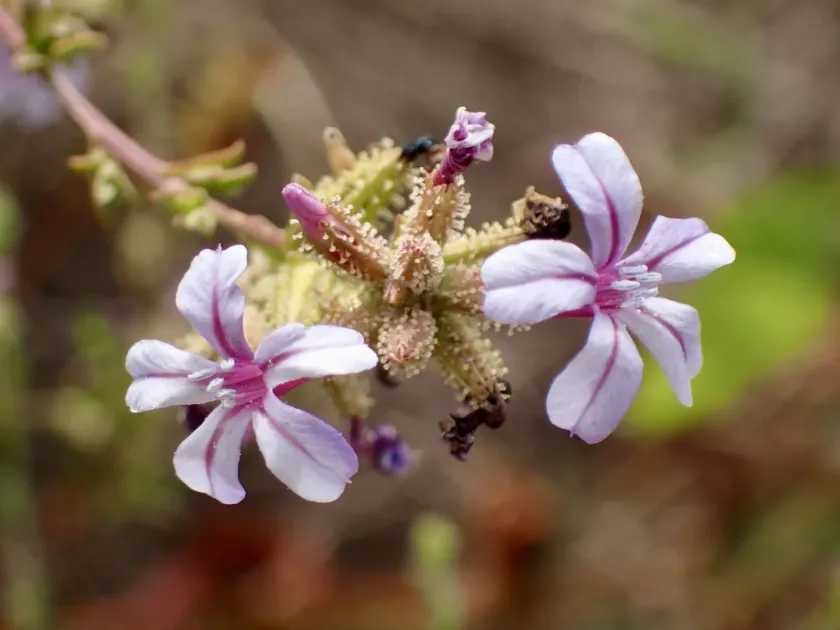
Description
Sowing dates
Common leadwort (Plumbago europaea) is a hardy herbaceous perennial belonging to the Plumbaginaceae family. Native to the Mediterranean region, it has adapted to diverse climatic conditions and is cultivated for both its ornamental and pharmacological properties.
Propagation is typically achieved through seeds, which should be sown in autumn to allow for natural stratification, or in early spring following cold treatment. Ensuring adequate soil moisture is essential for germination success.
Vegetative propagation via root division is also an effective method. This approach is generally preferred in commercial settings to ensure genetic uniformity and to shorten the time required for establishing a productive crop.
When sowing, seeds should be placed at a shallow depth of approximately 1–2 centimeters. Proper spacing is necessary to accommodate the plant's developing root system and to prevent competition between individual plants.
Young plants require careful attention during the establishment phase. Keeping the area free from aggressive weeds is crucial for the survival and initial development of the seedlings in the first season.
Growing requirements
This crop thrives in sunny, well-ventilated areas with light, porous, and nutrient-balanced soils. It is highly adapted to rocky or calcareous substrates, reflecting its natural habitat conditions.
Plumbago europaea is remarkably drought-tolerant once established, thanks to its deep taproot system. It performs best in regions with distinct dry seasons, as excessive rainfall can lead to root degradation.
Soil pH levels should remain neutral to slightly alkaline for optimal growth. While the plant is undemanding, periodic moderate fertilization can support healthy biomass production if the soil fertility is insufficient.
Winter hardiness is a significant factor in northern cultivation. In regions experiencing deep frosts, mulching or providing temporary winter protection is advisable to preserve the crown and roots.
Agricultural management should prioritize avoiding waterlogged conditions. Designing drainage systems on the planting site is an essential preventive measure against physiological disorders and rot.
Yield
The primary yield of Plumbago europaea consists of its roots, which are harvested for their high content of naphthoquinones, particularly plumbagin. The roots reach their peak potential after 3 to 4 years of growth.
Yield quality is heavily dependent on post-harvest handling and the speed of the drying process. High-quality roots should be cleaned, sliced, and dried immediately to maintain the chemical integrity of the active compounds.
Productivity can be maximized through careful selection of planting sites that receive full sun throughout the day. Proper spacing prevents overcrowding and ensures that each plant receives adequate solar energy for metabolic processes.
Standardized harvesting procedures involve mechanical or manual extraction during the dormant season. This ensures that the concentration of secondary metabolites in the roots is at its annual maximum.
Effective storage after harvest is vital. The final dried product must be kept in a climate-controlled, dry, and dark environment to maintain its pharmacological potency and commercial value over time.
Main diseases and pests
Common leadwort is generally resistant to many common agricultural pests due to the presence of secondary chemical compounds that naturally deter herbivorous insects.
The most significant threat to this crop is fungal disease, particularly root rot, caused by poor drainage or overly frequent irrigation. Maintaining soil aeration is the most effective defense against such pathogens.
Occasional infestations of aphids or mites can occur under specific microclimatic conditions. Regular scouting and maintaining clean, well-spaced rows usually mitigate these risks without needing chemical intervention.
Rodents can also pose a risk by consuming the root systems during the dormant winter period. Protective measures, such as fencing or baiting, may be necessary in high-risk areas.
- Monitor for signs of fungal wilting.
- Ensure optimal water drainage.
- Remove any decaying plant debris.
- Use resistant planting material where possible.
Harvesting
Harvesting is performed at the end of the vegetative cycle, typically in late autumn. At this stage, the plant shifts its resources into the root system, resulting in higher concentrations of target active compounds.
Roots are extracted from the soil, taking care to minimize damage. Damaged roots are more susceptible to oxidation and microbial contamination, which can reduce the final quality of the medicinal raw material.
Following extraction, the roots are thoroughly cleaned using water. Removing all residual soil is a mandatory step, as contaminated roots are unsuitable for pharmaceutical processing.
Drying must occur in controlled conditions, away from direct sunlight and excessive heat, which could degrade sensitive components. Air-drying or low-temperature dehydration is generally recommended.
Once dried to the correct moisture content, the roots are packaged into breathable storage containers. These containers protect the product from humidity fluctuations and pests, ensuring long-term shelf stability.