
Podocarpus acutifolius
Podocarpus acutifoilus
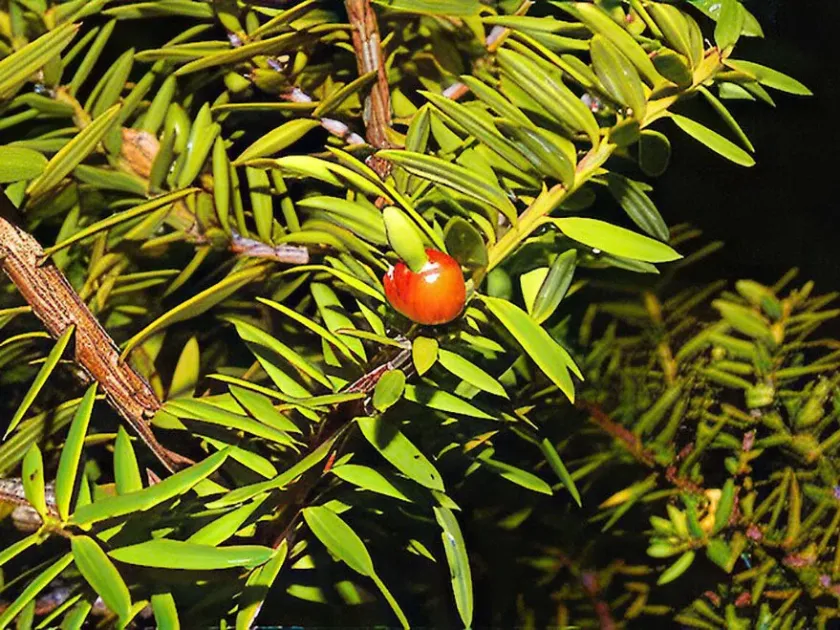
Description
Growing requirements
Podocarpus acutifolius is a unique endemic representative of the Podocarpaceae family, naturally occurring exclusively on the South Island of New Zealand. The plant is a slow-growing evergreen shrub or small tree that prefers humid river valleys and stony areas near water sources.
In cultivation, this species is extremely demanding regarding humidity levels and soil conditions. Successful growth requires well-drained, acidic or neutral substrates that prevent waterlogging, which is detrimental to the plant's root system.
The culture exhibits low resistance to sharp temperature fluctuations and frosty winters, which limits its outdoor cultivation to subtropical climatic zones. In temperate climates, Podocarpus is more commonly grown as a container or greenhouse plant, requiring protection from freezing temperatures.
The plant possesses specific botanical features: its rigid, sharp-pointed leaves have a dark green hue and a characteristic arrangement on the shoots. This species is highly valued in landscape design for its compact crown shape and high decorative appeal throughout the calendar year.
The primary use of Podocarpus is in ornamental horticulture and botanical collections. Due to its rarity and aesthetic attractiveness, it is actively used in creating bonsai phytocompositions, as well as an accent plant in greenhouses and botanical garden conservatories.
Main diseases and pests
Typical issues in Podocarpus cultivation include root rot caused by soil waterlogging and poor drainage. These diseases are difficult to treat, making prevention the most critical component of agricultural management.
Among pests, scale insects and spider mites pose the greatest threat to the crop, as they multiply rapidly in low-humidity indoor environments. Regular foliage inspection and the use of acaricides are effective methods to minimize the risk of plant damage.