
Goniolimon heldreichii
Goniolimon heldreichii
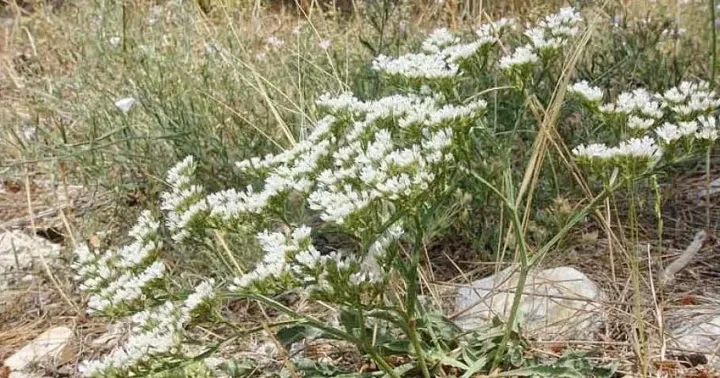
Description
Sowing dates
The propagation of Goniolimon heldreichii is typically achieved through seeds, which should be sown in late winter or early spring. Stratification of seeds for several weeks prior to sowing often results in higher germination rates.
Use a light, well-draining soil mix that contains a good proportion of sand or grit. The seeds should be covered only lightly, as exposure to light is necessary for the germination process.
Maintain temperatures between 18 and 20 degrees Celsius. Providing consistent moisture is essential for seedling development, but caution must be taken to prevent overwatering, which may cause damping off.
Transplanting into individual containers should be done once the first true leaves have developed. This step helps establish a stronger root system before moving the plants to their permanent location.
Final planting into the garden should occur after all risk of frost has passed. As this plant has a taproot, it is best to disturb the root ball as little as possible during the planting process.
Growing requirements
Goniolimon heldreichii is a member of the Plumbaginaceae family. It is a perennial herbaceous plant native to the rocky, arid habitats of the Balkan Peninsula, making it highly drought-tolerant.
A full-sun location is critical for the healthy growth of this species. Inadequate light results in weak flower stalks and a significant decrease in the number of blooms produced during the season.
The soil must be alkaline or neutral and possess excellent drainage characteristics. This plant thrives in poor, stony, or rocky soils, which mimic the conditions of its natural native environment.
Watering requirements are relatively low once the plant is established. It is essential to avoid sites where water accumulates, as the plant is highly susceptible to root rot in saturated soils.
Maintenance is minimal, as this species does not require frequent fertilization. Applying rich organic matter is generally unnecessary and may even harm the plant by promoting excessive leaf growth.
Main diseases and pests
Fungal diseases are the most significant threat to this culture, often triggered by excessive humidity or poor soil drainage. Root rot remains the primary concern for both young and mature plants.
To mitigate the risk of disease, ensure that the plants are spaced adequately to allow for free air circulation around the foliage. This prevents moisture buildup, which can lead to fungal infections.
Pests such as aphids or spider mites may occasionally appear during hot, dry spells. Regular monitoring of the foliage allows for early intervention before large infestations occur.
If chemical control becomes necessary, use appropriate insecticides or acaricides according to the manufacturer's instructions, ensuring the target insects are addressed promptly.
By selecting a location with excellent drainage and full sun exposure, most common threats to Goniolimon heldreichii can be successfully managed through standard cultural practices.
Harvesting
Harvesting the flower heads for dried arrangements should be performed when the blossoms are fully open. It is best to wait for a dry morning after any dew has evaporated from the plants.
Tie the flower stalks into small bunches and hang them upside down in a dark, well-ventilated area. This traditional method ensures that the shape and color of the flowers are preserved effectively.
The lasting nature of the dried flowers makes Goniolimon heldreichii a preferred choice for floral designers who specialize in using preserved natural botanical materials.
If seeds are intended for collection, the flower heads should be left on the plant until they are thoroughly mature. Harvesting occurs when the capsules darken and detach easily from the base.
Store collected seeds in paper envelopes within a cool and dry environment to maintain viability for the following growing season.