
Ceratostigma willmottianum
Ceratostigma willmottianum Stapf.
Description
Growing requirements
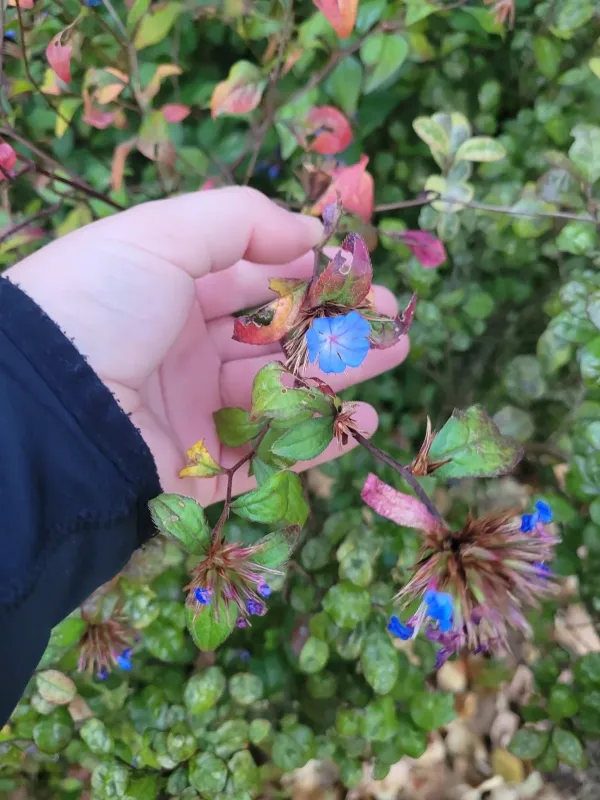
Ceratostigma willmottianum, commonly known as Chinese plumbago, is a deciduous shrub belonging to the Plumbaginaceae family. It is highly valued for its striking, electric blue flowers that bloom from late summer through autumn.
Native to western China, this species thrives in climates where summers are warm and winters are relatively moderate. It is widely cultivated in botanical gardens and domestic landscapes for its unique color intensity.
The plant requires a sunny, sheltered location to perform well. It prefers well-drained, fertile soil. Good drainage is critical, as the roots are susceptible to rot in waterlogged conditions during the winter months.
Agrotechnical practices involve routine maintenance such as pruning dead stems in spring to encourage new growth. Mulching is recommended in colder regions to protect the root crown from frost damage during winter.
Its primary use is ornamental, often utilized in rock gardens, herbaceous borders, or as a container plant. The foliage turning a bronze-red hue in autumn provides additional visual interest throughout the season.
Main diseases and pests
Generally pest and disease-free, the plant can occasionally suffer from root rot if the soil conditions remain excessively damp for long periods.
Aphids represent the most common pest, typically attacking the soft, new growth and flower buds. Regular monitoring during the growth season is advisable to catch infestations early.
Insecticide soaps or targeted aphid control sprays can be used effectively to manage populations without harming the plant's overall health.
Proper air circulation is essential for preventing fungal leaf spots; therefore, avoid overcrowding when planting in borders or beds.
In cases of severe fungal attack, removing the infected leaves and using copper-based fungicides can help restore the plant's health and prevent further spread.