
Ceratostigma plumbaginoides
Ceratostigma plumbaginoides Bunge
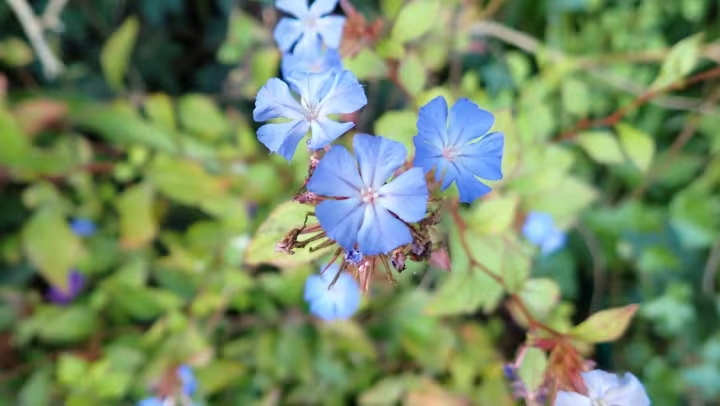
Description
Growing requirements
Ceratostigma plumbaginoides, commonly known as leadwort, is a herbaceous perennial belonging to the Plumbaginaceae family. Originally native to China, this plant has gained popularity worldwide as a reliable and visually striking ground cover.
The cultivation of this species requires well-drained soil with a moderate nutrient content. It performs exceptionally well in sandy or rocky soils, which mimic its natural mountainous habitats and prevent waterlogging, which is critical for its survival during cold months.
Ideally, leadwort should be planted in full sun to partial shade locations. Exposure to direct sunlight is essential for achieving the most vibrant blue flower display and the deep, reddish-bronze autumnal foliage color that makes this plant a landscape standout.
In terms of climate, it is relatively hardy but requires winter mulch in colder temperate regions to protect the crown and rhizomes. It is drought-tolerant once established, making it suitable for xeriscaping projects or areas with limited water availability.
Agrotechnical practices involve yearly spring pruning to remove dead stalks, which encourages fresh, vigorous growth from the underground runners. It is an aggressive spreader, so it should be planted in areas where it can naturally expand without overwhelming neighboring delicate flowers.
Main diseases and pests
Ceratostigma plumbaginoides is considered highly resistant to most pests and diseases. Its hardy nature allows it to thrive in various garden settings with minimal chemical intervention, contributing to its status as a low-maintenance landscape plant.
The primary concern for leadwort is root rot, caused by heavy, water-logged soils. Ensuring excellent drainage through soil modification or raised bed planting is the most effective preventative measure against this fungal threat.
Occasionally, spider mites may attack the foliage during hot, dry spells. Regular inspection of the undersides of the leaves can help identify infestations early, which can then be managed with simple water sprays or horticultural soaps.
Powdery mildew might occur if there is poor air circulation combined with high humidity levels. Pruning to maintain plant density and avoiding overhead watering can significantly reduce the risk of this infection.
Snails and slugs can sometimes feed on tender new shoots in early spring. Installing barriers such as crushed eggshells or using organic molluscicides are effective control methods if population levels become problematic for the young plants.