
Veronica propinqua
Veronica propinqua
Description
Growing requirements
Veronica propinqua is a distinct species within the Plantaginaceae family, native to the alpine regions of New Zealand. This low-growing, mat-forming perennial is specifically adapted to the harsh environmental conditions found in high-altitude landscapes, including rocky terrain and mountain slopes.
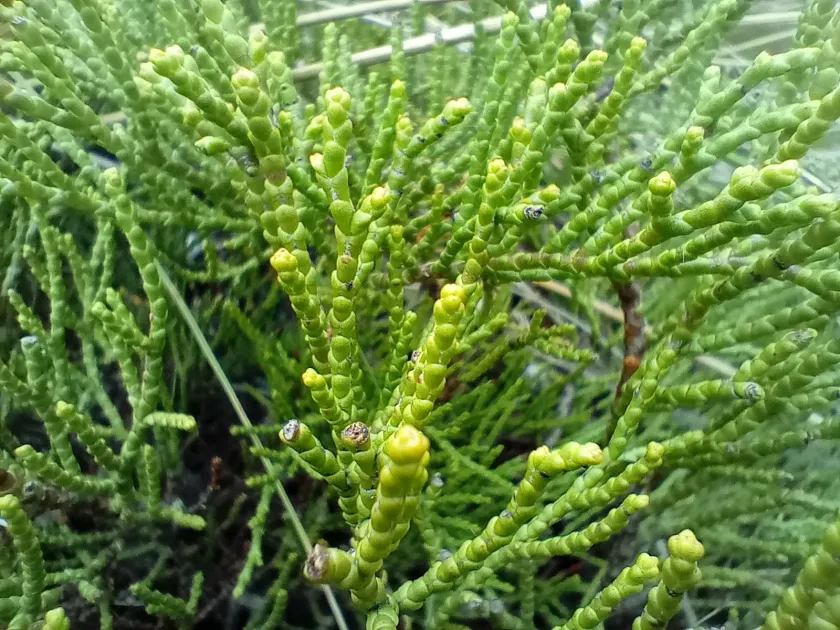
Botanically, the plant is characterized by its tight, cushion-like habit and small, leathery leaves that provide year-round texture. During the flowering season, it produces short spikes of small, white to pale blue flowers that contrast beautifully with its dense foliage, making it a sought-after ornamental.
For successful cultivation, Veronica propinqua requires exceptionally well-drained, gritty, or sandy soil. It is highly intolerant of waterlogged conditions, which lead to root rot. Gardeners should ensure a substrate that mimics natural scree slopes, providing both moisture and rapid drainage simultaneously.
The plant thrives in cool, temperate climates and requires plenty of light to maintain its compact shape. However, in regions with very hot summers, it benefits from light afternoon shade to prevent heat stress, which can cause the cushions to open up or become susceptible to disease.
In landscape architecture, this species is primarily used as a rock garden plant or a specimen for alpine troughs. Due to its slow growth rate and neat appearance, it is highly valued for creating stable, low-maintenance groundcovers in spaces where larger, more aggressive plants would be unsuitable.
Main diseases and pests
The most significant threat to the health of Veronica propinqua is the development of fungal pathogens caused by excessive soil moisture and poor air circulation. Regular monitoring of the foliage and ensuring the crown remains dry is essential to prevent wilting or decay during the rainy season.
Pest issues are generally minimal, although aphids may occasionally colonize the soft tips of new growth during the spring. If an infestation occurs, it can usually be managed with gentle horticultural soaps or by physically removing the affected areas to maintain the plant's aesthetic form.