
Veronica polifolia
Veronica polifolia
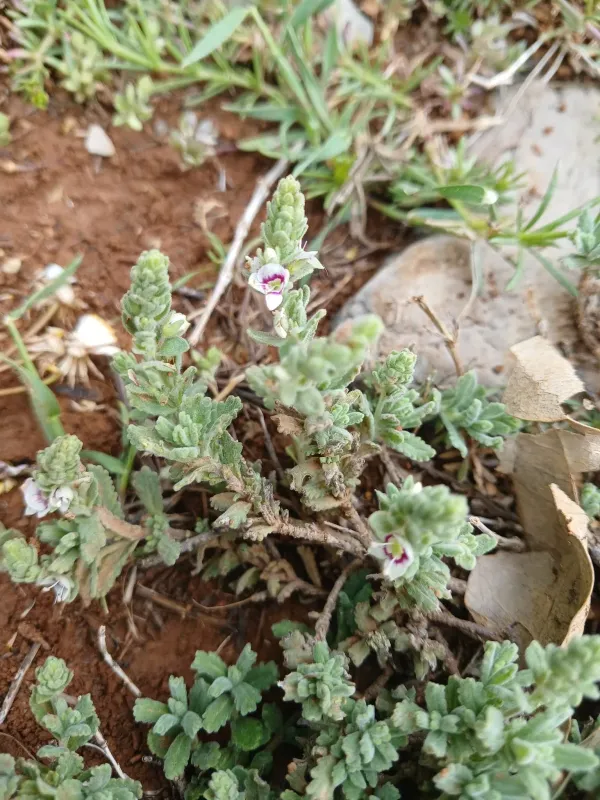
Description
Growing requirements
Veronica polifolia is an attractive perennial herb belonging to the Plantaginaceae family. Known for its distinct foliage and alpine origins, this plant is well-adapted to rocky, high-elevation environments, making it a valuable addition to rock gardens and dry, sunny landscapes.
The plant thrives in well-drained, gritty, or sandy soils. It is critical to ensure that the soil medium does not retain excessive moisture, as stagnant water is detrimental to the plant’s root system and can lead to rapid decline during the dormant season.
Regarding climate, Veronica polifolia prefers cool to temperate conditions with plenty of direct sunlight. While it is highly cold-hardy, it performs best in regions where it can receive adequate airflow, mimicking the breezy conditions of its native mountain habitat.
Soil pH should ideally be neutral or slightly alkaline. When planting in garden beds, incorporating inorganic amendments like crushed stone or coarse grit will help replicate the natural alpine drainage necessary for the longevity of the plant.
Botanically, the species is characterized by its compact, leafy stems and persistent growth habit. It provides year-round aesthetic appeal due to its dense foliage, which remains attractive even when the plant is not in its primary flowering phase.
Main diseases and pests
Fungal pathogens represent the most significant threat to Veronica polifolia, particularly in humid or overcrowded conditions. Root rot is a common ailment caused by improper soil moisture management, which often proves fatal if not identified early.
Powdery mildew is another potential issue, appearing as a white, powdery residue on leaves during periods of high humidity and poor ventilation. Ensuring proper spacing between individual plants is essential to promote better air circulation and mitigate this risk.
Pest pressure is generally low, but aphids can occasionally infest new growth during the spring flush. Monitoring is recommended, and if an outbreak occurs, localized treatment with insecticidal soaps or neem oil is usually effective and safe.
Spider mites may become a problem during prolonged hot and dry spells. Keeping the plant properly watered and ensuring the surrounding environment is not excessively dusty or stifling can help prevent these pests from establishing a population.
Effective management includes routine garden hygiene, such as clearing debris from around the base of the plant and trimming away any necrotic tissues, which helps maintain plant vigor and prevents the accumulation of fungal spores.