
Veronica petraea
Veronica petraea
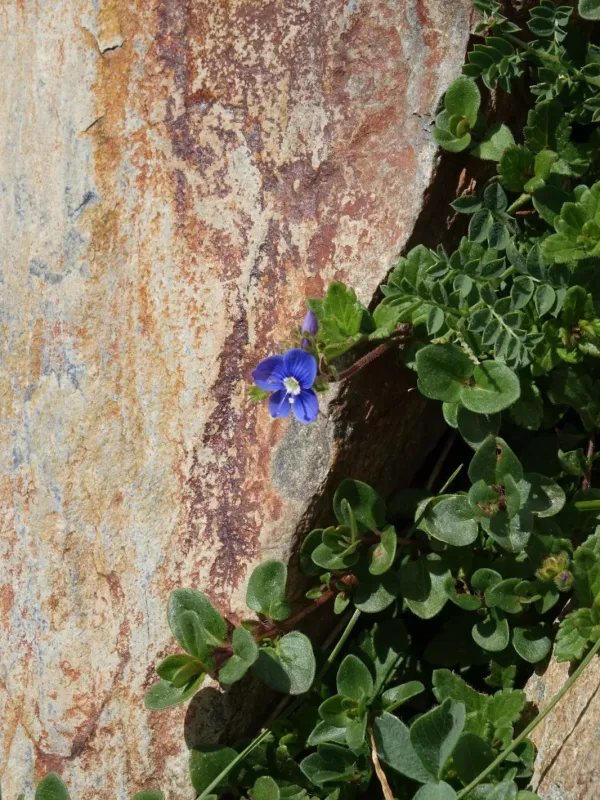
Description
Growing requirements
Veronica petraea, commonly known as rock speedwell, is a herbaceous perennial belonging to the Plantaginaceae family. It is highly valued in horticulture for its resilience and ability to thrive in rocky environments, mirroring its natural habitat in mountainous regions.
This crop prefers full sun exposure to maintain its compact growth habit and produce abundant blooms. While it is adaptable to various soil types, it performs best in well-draining, slightly alkaline to neutral substrates, such as sandy or gravelly loam.
Watering requirements are moderate; although the plant is somewhat drought-tolerant once established, it requires consistent moisture during the initial growth phase. Overwatering must be avoided to prevent root diseases, making proper drainage essential for all cultivation sites.
The plant exhibits excellent hardiness, making it suitable for temperate climates where it can withstand cold winters without special protection. Its growth cycle is characterized by a steady expansion of foliage followed by a profuse mid-summer flowering period.
Botanically, it forms dense mats of small, opposite leaves with attractive blue-to-violet racemes. This growth pattern makes it an ideal choice for rock gardens, stone wall crevices, and alpine meadows where soil depth is minimal.
Main diseases and pests
Veronica petraea generally enjoys a high level of disease resistance, but it remains susceptible to fungal issues such as leaf spot if air circulation is poor. Proper plant spacing is recommended to ensure the canopy dries quickly after rainfall.
Root rot is the most serious threat, typically triggered by waterlogged conditions. Preventing this issue involves choosing elevated planting locations and using inorganic mulches like grit to keep the plant crown dry and well-ventilated.
Slugs and snails are the primary pests that may cause damage during cool, wet springs. Implementing integrated pest management, such as barriers or organic slug pellets, can significantly reduce feeding damage to the foliage.
Powdery mildew may occasionally affect the plant in environments with high humidity and stagnant air. Management strategies include improving ventilation and, if necessary, applying systemic fungicides during the early stages of infestation.
General maintenance practices, including the removal of spent flower stalks and debris, help minimize the risk of pathogen overwintering. By maintaining a clean growing area, gardeners can keep the plants vigorous and disease-free throughout the season.