
Chaenorhinum calycinum
Chaenorhinum calycinum
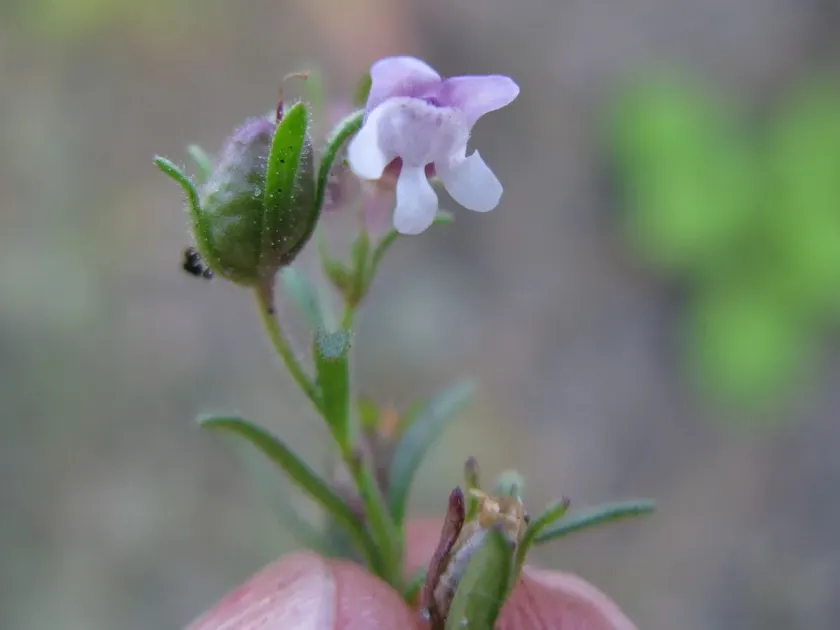
Description
Sowing dates
Chaenorhinum calycinum is an annual herbaceous plant belonging to the Plantaginaceae family, natively found in Mediterranean climates.
The cultivation of this species requires careful preparation of the soil, ensuring that the seedbed is loose, well-drained, and free of weeds.
Sowing in open field conditions is recommended during late spring when soil temperatures have consistently risen above 12 degrees Celsius.
For ornamental purposes, early indoor sowing in trays is possible, provided that the seedlings are gradually hardened off before being transplanted outside.
The seeds are small and should be sown at a shallow depth, requiring sufficient light to stimulate germination and establish healthy roots.
Growing requirements
This species thrives in full sunlight, which is essential for maintaining its compact habit and encouraging prolonged flowering throughout the summer.
Soil requirements include excellent drainage, as the plant is adapted to rocky substrates and quickly suffers from root decay in saturated, heavy soils.
Watering should be managed with caution, allowing the substrate to dry out slightly between irrigation cycles to mimic natural arid conditions.
Fertilization should be kept to a minimum; excessive nitrogen levels can lead to weak, elongated stems at the expense of floral development.
The cultural site should provide good airflow to prevent the accumulation of humidity, which is critical for the overall longevity of the plants.
Main diseases and pests
Root rot and stem blight are the most common pathological issues, typically caused by overwatering or poor soil drainage during periods of high humidity.
Common pests include aphids and spider mites, which can proliferate during extended dry and hot periods, damaging the succulent foliage.
Integrated pest management should focus on early detection, regular crop rotation, and the physical removal of heavily infested parts to stop spread.
Fungal control involves cultural practices such as spacing plants adequately to ensure maximum air circulation and reducing the frequency of overhead irrigation.
Maintaining a weed-free zone around the plants is essential, as neighboring weeds often serve as hosts for various plant-pathogenic viruses and insects.