
Turtlehead
Chelone glabra
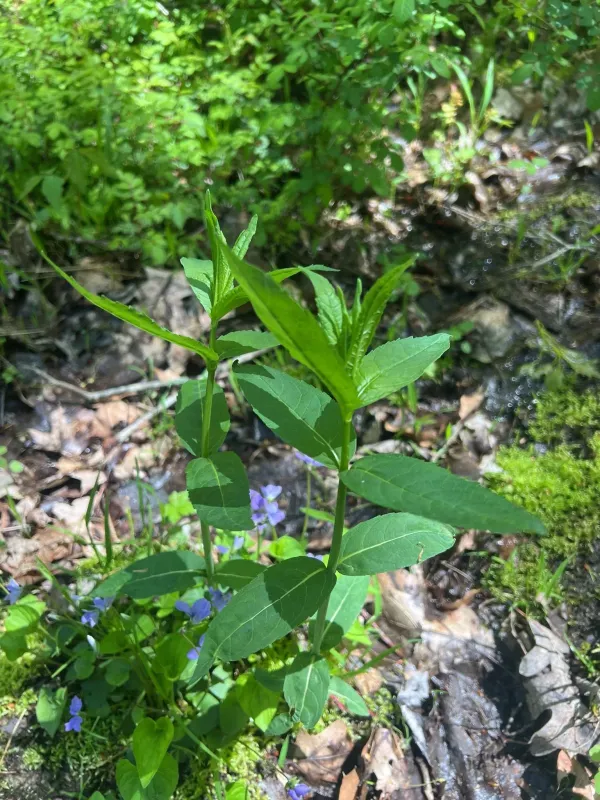
Description
Sowing dates
Seeds of the turtlehead (Chelone glabra) generally require a period of cold stratification to break dormancy, so sowing in late autumn or early winter is highly recommended.
For spring sowing in trays, it is essential to keep the seeds in a refrigerator at approximately +4 degrees Celsius for 4–6 weeks before placing them in a warm, bright environment.
Seedlings show a slow growth rate, so they should be transplanted into individual pots as soon as they develop their first set of true leaves, ensuring consistent moisture.
Young plants are moved to the permanent outdoor location in late spring or early summer, after the danger of frost has passed, maintaining a spacing of 40–50 centimeters.
Vegetative propagation via root division is also very effective; it is best performed in early spring before the plant enters its active growth cycle.
Growing requirements
Chelone glabra is a perennial herbaceous plant belonging to the Plantaginaceae family, natively found in moist meadows and wetlands across North America.
This crop thrives in consistently moist, organic-rich soils and prefers environments with a neutral to slightly acidic pH level for optimal development.
While the plant performs best in full sun, it is highly adaptable and can tolerate partial shade, which is particularly beneficial in regions with hot summer climates.
Proper soil structure is vital; the site must provide adequate moisture without becoming waterlogged, as poor drainage during cooler periods can jeopardize root health.
The plant is exceptionally hardy and capable of surviving cold winters typical of temperate zones without the need for additional protective mulching.
Main diseases and pests
Turtlehead is generally considered a low-maintenance plant, but poor air circulation can occasionally lead to outbreaks of powdery mildew during humid weather.
During prolonged rainy spells, leaf spot diseases may occur; keeping the area clean and removing affected foliage is the most effective preventative measure.
Slugs and snails are the primary pests that may target young leaves and tender shoots, necessitating early monitoring and the use of physical barriers.
Aphids might cluster around the flower buds during late summer; if an infestation is observed, applying insecticidal soap or neem oil is usually sufficient.
Maintaining proper spacing between plants is crucial to ensure good airflow, which significantly reduces the likelihood of both fungal and insect problems.
Harvesting
Chelone glabra produces its unique snapdragon-like flowers in late summer and early autumn, providing significant aesthetic value during the end of the gardening season.
For decorative cut flower use, stems should be harvested when the majority of the flower spikes have opened to ensure maximum vase life.
Once the flowering period concludes, cutting the stems back to the ground helps the plant focus energy on root development for the following year.
When collecting seeds, allow the seed pods to turn brown on the plant, then harvest them carefully and complete the drying process in a well-ventilated location.
The plant is highly valued by local pollinators, serving as a critical nectar source for late-season bees and butterflies, which supports local biodiversity.