
Tree plantain
Plantago arborescens
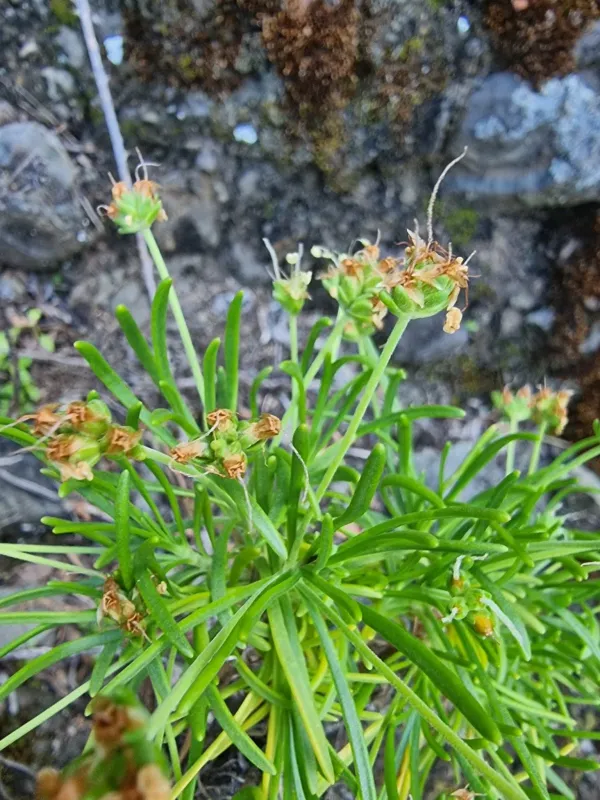
Description
Growing requirements
Tree plantain (Plantago arborescens) is a distinctive perennial shrub belonging to the Plantaginaceae family. Unlike common herbaceous plantains, this species develops a woody stem structure, characterizing it as a woody shrub capable of significant long-term growth.
This species is native to the Macaronesian region, specifically thriving in the Canary Islands and Cape Verde. Its natural habitat is characterized by mild coastal influences, where the oceanic climate provides stable growth conditions throughout the year.
The crop demands excellent drainage and prefers rocky or sandy soil compositions. It has evolved to survive in nutrient-poor environments, making it a robust option for specific landscape restoration projects that require saline-tolerant vegetation.
High solar radiation is a fundamental requirement for the development of its foliage. As a sun-loving plant, it performs poorly in shaded areas, often resulting in etiolated growth and reduced structural integrity of the woody stems.
Regarding water management, while the plant is drought-adapted, optimal agricultural yield is achieved through controlled irrigation during the growth phase. Maintaining a stable environment is crucial, especially in regions outside its natural subtropical range.
Main diseases and pests
Root rot, primarily caused by Phytophthora species, remains the most significant threat to the cultivation of Plantago arborescens. It is triggered by poor soil aeration and waterlogging, which rapidly compromises the root system.
Spider mites are common pests that flourish in low-humidity environments, especially when the plant is kept in greenhouse conditions. They create fine webbing on the undersides of leaves, causing discoloration and eventual leaf drop if left untreated.
Fungal leaf spots can develop during periods of high humidity and poor air circulation. Implementing wide spacing between rows is an effective cultural control method to ensure sufficient air movement and reduce the incidence of fungal spores.
Scale insects can infest the woody parts of the plant, weakening the overall structure. Regular monitoring of the stems and the application of horticultural oils or systemic insecticides help manage these populations effectively.
Effective management requires a combination of strict irrigation schedules, ensuring that the substrate dries out between waterings, and regular sanitation of the growing area to prevent the establishment of persistent pests.