
Sibthorpia
Sibthorpia
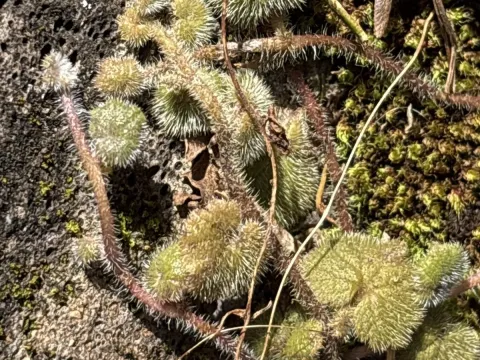
Sibthorpia is a genus of small, creeping perennial plants belonging to the Plantaginaceae family. These plants are widely recognized for their delicate habit, making them popular choices for covering moist, shaded areas in gardens or within decorative terrariums.
What the section contains


Sibthorpia
Originating from regions with oceanic or mild climates, such as parts of Western Europe and Africa, Sibthorpia is naturally adapted to habitats that remain consistently damp. They are frequently found thriving along stream banks, in wet meadows, and on the damp floor of sheltered forests.
Successful cultivation of Sibthorpia requires careful attention to humidity levels. The plant is highly sensitive to desiccation, and its shallow root system necessitates a substrate that is constantly moist but well-draining to prevent waterlogging.
In terms of light exposure, the plant prefers dappled shade or indirect light. Direct sunlight can rapidly dehydrate the leaves, leading to scorching and physiological stress, which often results in the loss of the plant's characteristic vibrant green carpet appearance.
The ideal soil composition should be rich in organic matter, such as peat-based mixes, which maintain structure and moisture retention. A slightly acidic pH is generally preferred, mimicking the natural conditions of their original forest floor habitats.
Fungal pathogens represent the most significant threat to Sibthorpia, particularly when air circulation is poor or humidity levels become stagnant. Botrytis and other damp-related molds can quickly affect the creeping stems.
Insect pests, including aphids and spider mites, are common nuisances, especially in indoor environments or greenhouses where humidity might fluctuate. These pests thrive in dry pockets and can quickly damage the foliage.
Root rot is a persistent danger, usually triggered by improper substrate drainage or overwatering in conditions where the plant is not actively growing. Maintaining a balance between moisture and oxygen in the root zone is critical for plant longevity.
Regular sanitation, including the prompt removal of decaying plant matter, is essential for keeping the crop healthy. Preventing the overcrowding of stems also helps in maintaining better airflow, which is a key preventive measure against disease.
When chemical control is necessary, it is vital to use products formulated for ornamental crops, ensuring that dosages are adjusted to avoid phytotoxic reactions on the sensitive, thin leaves of the plant.