
Silky plantain
Plantago sericea
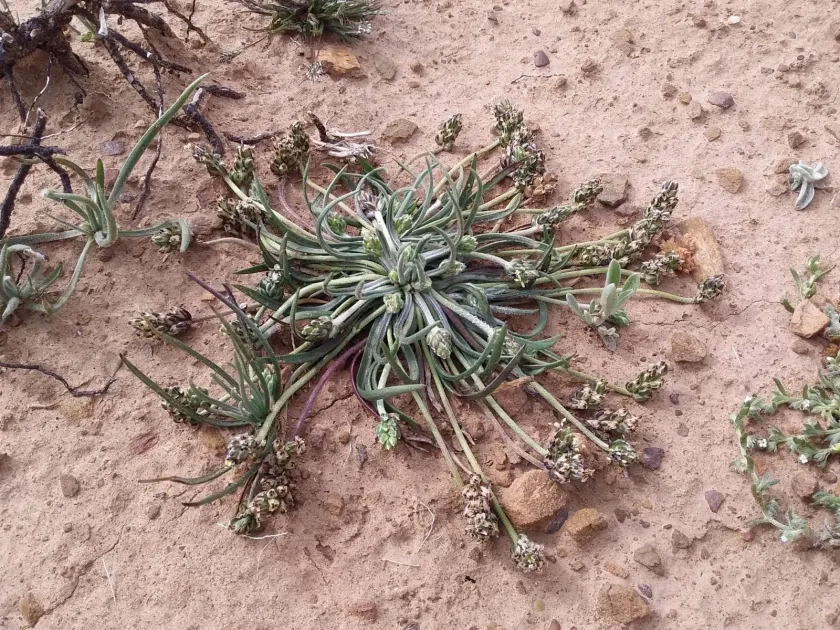
Description
Sowing dates
Silky plantain (Plantago sericea) is a perennial herbaceous plant belonging to the Plantaginaceae family, often recognized for its distinct silvery foliage. Cultivation typically begins with seeds, which require specific conditions for germination, including potential cold stratification to break dormancy.
The ideal time for sowing is late autumn or very early spring, allowing seeds to experience cool temperatures. Seeds should be surface-sown or covered with a very thin layer of fine soil, as they require light to stimulate the germination process effectively.
When sowing in rows, a spacing of approximately 45–60 centimeters is recommended to ensure each plant has adequate room to develop its rosette of leaves. This spacing also facilitates mechanical weed control and airflow, which is critical for reducing humidity-related diseases.
The initial growth phase of silky plantain is relatively slow, making weed management essential during the first weeks after emergence. Providing a clean seedbed free of aggressive grass species significantly improves seedling survival rates.
Once established, the plants demonstrate excellent vigor and can produce dense clusters of foliage. Proper irrigation during the seedling stage is vital until the plants develop a robust root system that can access moisture from deeper soil layers.
Growing requirements
Silky plantain thrives in well-drained, sandy-loam soils with a neutral to slightly alkaline pH. It is particularly sensitive to waterlogged conditions, which can lead to root rot and diminished plant vitality, thus requiring careful site selection.
The species prefers sunny locations where it can receive maximum exposure, which enhances its growth and the development of its signature silky hairs. These hairs are an evolutionary adaptation to arid conditions, helping to reduce water loss via transpiration.
Climatic requirements include moderate temperatures, though the plant is generally hardy and capable of surviving cold winter spells. It is well-suited to regions with temperate climates but requires protection from excessive late-spring rains that might cause leaf spotting.
Nutrient management should focus on balanced organic fertilizers applied before planting. High nitrogen levels should be avoided to prevent excessive, succulent growth that can be more susceptible to pest attacks and fungal infections during the growing season.
Consistent airflow is a major requirement for healthy plantain crops. In closed systems or small garden settings, ensuring that plants are not overcrowded is key to preventing the buildup of stagnant air, which encourages various pathogens.
Yield
The yield of silky plantain is primarily measured by the dry mass of its leaves. Under optimal conditions, growers can expect a sustainable harvest twice per season, provided the plants are allowed sufficient recovery time between cuttings.
Productivity peaks during the second and third years of growth. A well-managed plantation can yield several tons of dried foliage per hectare, assuming that the soil quality and spacing requirements are strictly adhered to throughout the lifespan of the crop.
Harvesting efficiency is improved by using standardized cutting tools that maintain a clean blade, preventing tissue damage that could serve as entry points for bacterial infections. The timing of the harvest is crucial for maintaining the plant's medicinal profile.
The secondary yield includes seed production. If the goal is long-term sustainability, a portion of the crop should be left to flower and set seed annually. This ensures a fresh supply of high-quality seeds for replanting or commercial sales.
Post-harvest processing, including systematic drying and sorting, is essential for maximizing market value. Proper handling ensures the integrity of the chemical compounds within the leaves, which are highly valued in the herbal pharmaceutical industry.
Main diseases and pests
Common threats to silky plantain include aphids and various leaf-chewing caterpillars that can rapidly deplete the foliage. Integrated Pest Management (IPM) strategies, such as introducing beneficial insects, are preferred over broad-spectrum chemical pesticides.
Fungal pathogens like powdery mildew represent a significant risk, especially during periods of high humidity and low airflow. Proactive thinning of the plants and the removal of infected leaves are the first lines of defense against such outbreaks.
Root rot, often caused by poor drainage, is a silent threat that can destroy entire patches if not identified early. Monitoring the soil moisture levels and avoiding over-irrigation are key preventative steps for any professional grower.
Competition from weeds is a constant challenge, particularly for younger plants that have not yet formed a closed canopy. Using organic mulch between rows can suppress weed germination and keep the soil temperature more stable for the plantain roots.
Crop rotation is vital for long-term health, as planting in the same location for too many consecutive years allows soil-borne pathogens to build up. A rotation period of at least four years is recommended before returning the crop to the same plot.
Harvesting
Harvesting should ideally occur just before or at the onset of flowering. This specific developmental stage ensures that the chemical concentration of active compounds, such as mucilage and iridoid glycosides, is at its highest point for medicinal use.
The foliage must be cut at least 3–5 centimeters above the soil surface to preserve the crown of the plant. This practice encourages quick regrowth, allowing the plant to remain productive throughout the growing season.
Once gathered, the leaves should be transported immediately to a drying facility. Keeping the harvested material in piles for too long can lead to self-heating and premature fermentation, which can ruin the quality of the final product.
Drying is conducted in well-ventilated sheds or automated drying rooms at controlled temperatures. Avoiding direct sunlight during the drying process is essential to maintain the desired green color of the leaves and prevent the degradation of heat-sensitive compounds.
Final storage must be done in cool, dark, and moisture-controlled conditions. Using airtight containers helps preserve the shelf-life of the dried herbs, ensuring that the crop retains its potency until it reaches the final consumer.