
Sibthorpia europaea
Sibthorpia europaea
Description
Growing requirements
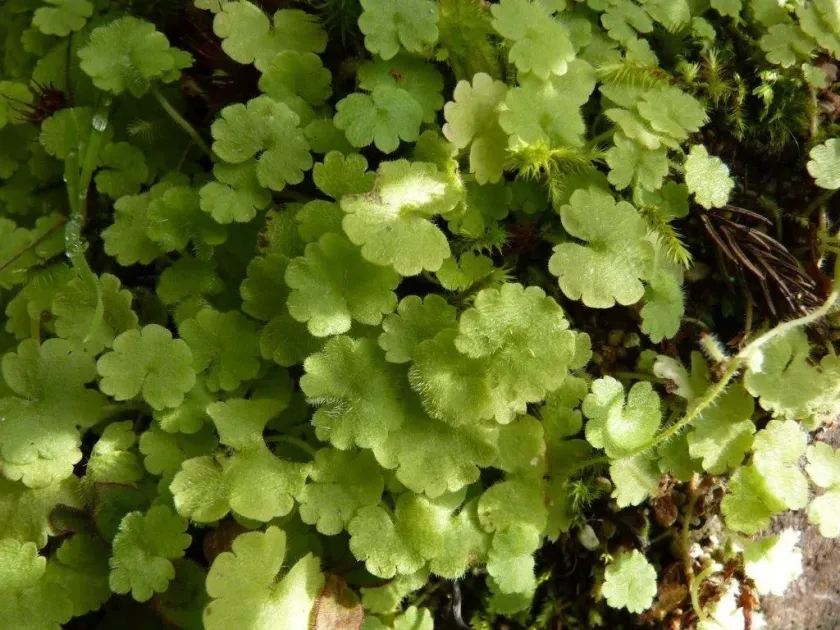
Sibthorpia europaea, commonly known as Cornish moneywort, is a creeping perennial herb belonging to the Plantaginaceae family. The plant is characterized by its delicate, slender stems that creep along the ground and produce small, rounded, kidney-shaped leaves that form a lush carpet.
The species is native to western Europe, including the United Kingdom, Spain, and Portugal, as well as the Azores. It naturally inhabits damp, shaded environments, such as stream banks, marshy ground, and moist woodland floors, where it thrives in high-humidity conditions.
Cultivation of this species requires meticulous attention to moisture levels. It demands consistently wet, humus-rich soil and cannot tolerate drought. In garden settings, it is best suited for the margins of ponds, damp rockeries, or shaded areas where the soil remains perpetually saturated.
Temperature management is also crucial; while it is moderately hardy, it dislikes extreme winter frost. In colder climates, it is often treated as a container plant or grown in indoor terrariums and paludariums, where stable temperatures and humidity levels can be strictly maintained.
The primary use of Sibthorpia europaea is ornamental. It is highly valued by gardeners and aquascapers for its ability to create a soft, dense groundcover in damp, shaded locations where many other plants fail to thrive, making it an excellent choice for bog gardens.
Main diseases and pests
The main threats to this species include fungal infections, such as stem rot, which can occur if the foliage remains wet for too long without adequate air circulation. Ensuring good ventilation is vital to prevent fungal outbreaks during the cooler months of the year.
Pest problems are often dominated by gastropods, specifically slugs and snails, which find the succulent foliage highly attractive. In greenhouse environments, spider mites can occasionally cause issues if the relative humidity drops below optimal levels for an extended period.