
Single-seeded plantain
Plantago monosperma
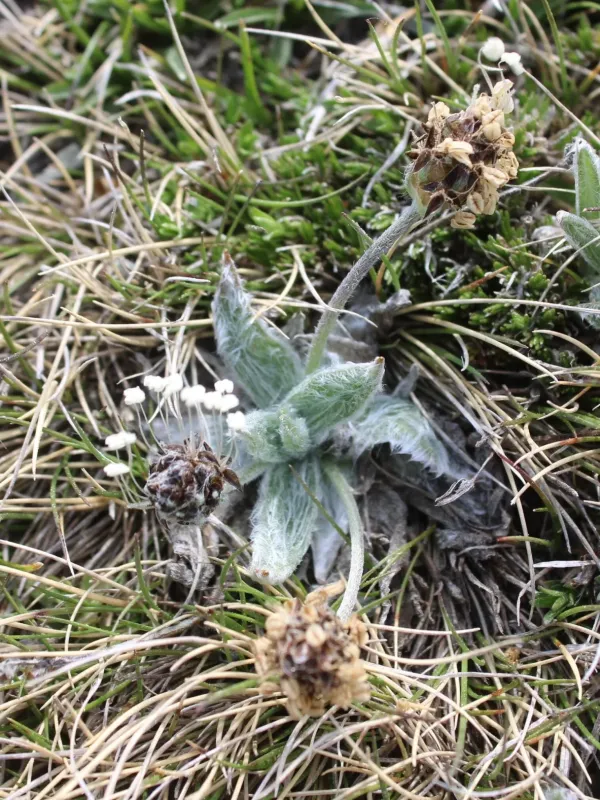
Description
Growing requirements
Single-seeded plantain (Plantago monosperma) belongs to the family Plantaginaceae. It is a perennial herbaceous plant naturally found in high-altitude habitats and rocky terrains, demonstrating remarkable resilience and adaptability to challenging environments.
To ensure optimal growth in an agricultural setting, the soil must be well-drained with a light to medium texture, such as sandy loam. The plant prefers neutral to slightly acidic pH levels and thrives best in locations with high light intensity throughout the growing season.
Proper water management is essential for this species. While it is hardy, it does not tolerate waterlogged soil, which can lead to root decay. Consistent but moderate irrigation is recommended during the initial growth phases to establish a deep and healthy root system.
In terms of agricultural utility, this species is cultivated primarily for its pharmaceutical potential. The chemical profile of the plant makes it a valuable candidate for producing extracts used in traditional and modern medicine for respiratory and skin-related health.
Cultivation practices involve site preparation that focuses on weed control before sowing. Since the seeds are extremely small, they require a firm seedbed and precise sowing depth, usually not exceeding 0.5 to 1 centimeter, to ensure uniform emergence and uniform crop stand density.
Main diseases and pests
Fungal diseases represent the primary threat to Plantago monosperma, specifically under conditions of high humidity or poor soil drainage. Pathogens such as Peronospora species or various leaf spot fungi can significantly impact leaf quality if not managed correctly.
Insect pests include aphids and leaf-feeding larvae that can decrease the yield. Integrated pest management, including regular crop monitoring and the implementation of biological control methods, is highly effective for maintaining the health and vigor of this medicinal crop.