
Shoreweed
Littorella
Description
Growing requirements
Shoreweed (Littorella) is a genus of perennial herbaceous plants belonging to the Plantaginaceae family. These plants are typically found in the littoral zones of lakes, ponds, and along damp, sandy shorelines, where they play a crucial role in stabilizing the substrate.
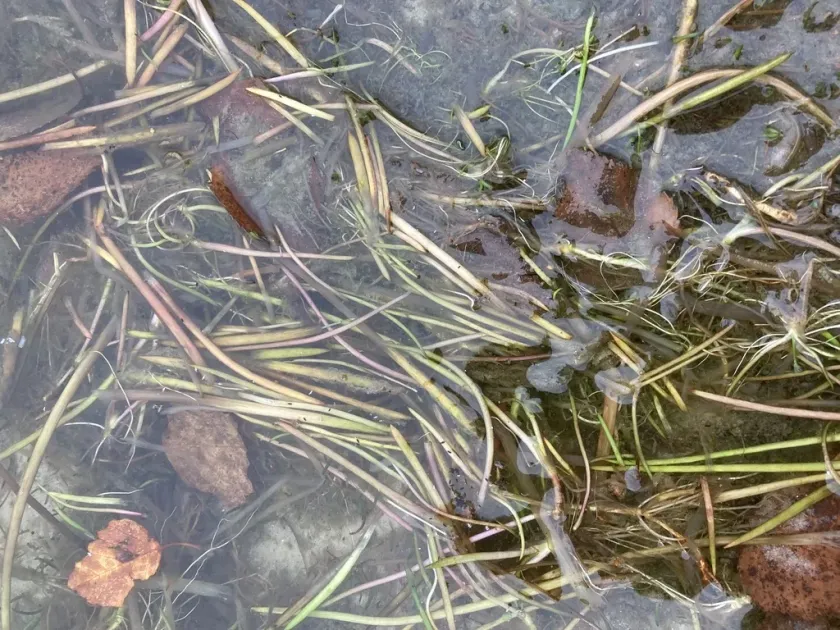
Botanically, Littorella is characterized by a basal rosette of narrow, fleshy, linear leaves. The plant exhibits a unique growth habit through the development of stolons (runners), which allow it to spread across sandy or silty beds, forming dense, grass-like mats that are highly valued in horticultural applications.
The requirements for optimal growth include high light intensity and stable, clean water conditions. It thrives in nutrient-poor, sandy soils, making it an excellent candidate for aquascaping where a naturalistic, low-maintenance foreground carpet is desired. It prefers moderate temperature ranges typical of temperate climatic zones.
In terms of agricultural and horticultural utility, shoreweed is primarily used as an ornamental species. It serves as a specialized ground cover in pond margins and is a staple in the aquarium hobby for its ability to create a realistic, meadow-like appearance in submerged environments.
Effective cultivation requires proper water circulation and the avoidance of high-nutrient inputs that encourage algae growth. While the plant is hardy in its native habitat, it requires careful monitoring of water chemistry when grown in restricted aquatic environments to maintain its health and vibrant green appearance.
Main diseases and pests
The main threats to Littorella include excessive water turbidity and eutrophication, which limit light availability for photosynthesis. Additionally, the plant is vulnerable to competition from more aggressive, fast-growing aquatic weeds and disturbances in the sediment composition.