
Serrated plantain
Plantago serraria
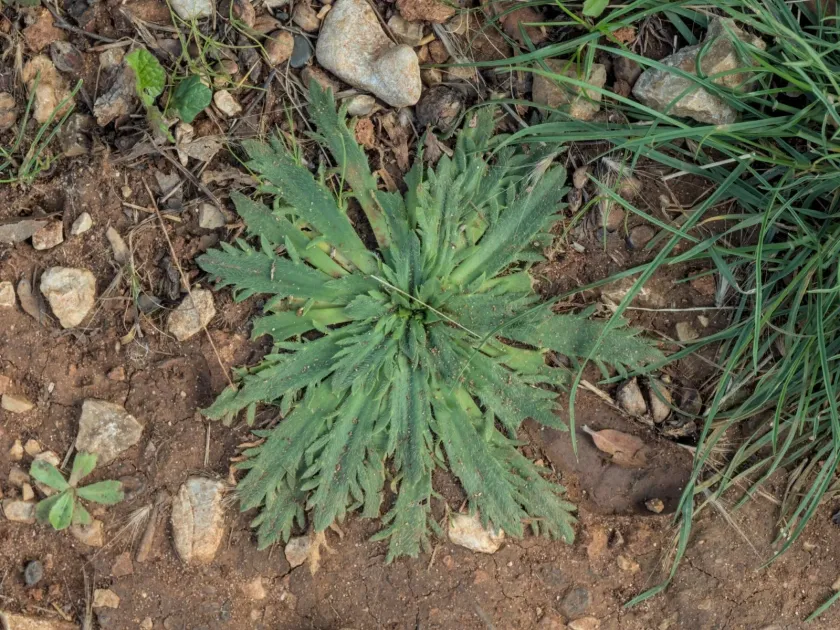
Description
Sowing dates
Sowing of serrated plantain is typically carried out in early spring when soil temperatures reach +8…+10°C. In temperate climates, late-autumn sowing is also feasible, as it facilitates natural stratification of the seeds and leads to more uniform germination.
Given the small size of the seeds, they should be planted at a shallow depth of 1–1.5 cm. The optimal row spacing for this crop is between 45 and 60 cm, which allows for efficient mechanical weed control and maintenance throughout the growing season.
The seeding rate varies based on the quality of the seeds and soil conditions, generally ranging from 2 to 4 kilograms per hectare. Proper field preparation, including creating a fine, firm seedbed, is essential for maximizing germination rates.
Post-sowing soil compaction (rolling) is highly recommended to improve contact between the seeds and the soil moisture. This step is particularly beneficial in dry spring conditions to ensure quick and even emergence of the seedlings.
Managing weeds during the early developmental stages is crucial, as the young plants grow slowly. Utilizing light harrowing before emergence can help mitigate weed competition without damaging the fragile crop sprouts.
Growing requirements
Serrated plantain (Plantago serraria), a member of the Plantaginaceae family, is a light-loving plant that thrives in open, sun-exposed areas. Insufficient light results in elongated, weak stems and lower concentrations of active compounds in the leaves.
The crop is not overly demanding regarding soil type, although it performs best in light loamy or sandy soils with a neutral or slightly alkaline pH. It demonstrates notable tolerance to saline soil conditions compared to most common agricultural crops.
While the plant is relatively drought-tolerant once established, it requires consistent soil moisture during the leaf rosette formation phase. Waterlogged soils should be avoided at all costs, as they trigger root rot and inhibit plant development.
The plant adapts well to moderate temperature regimes, typical of its Mediterranean origins. It withstands minor early spring frosts, but prolonged periods of extreme heat or excessive humidity can negatively affect the overall yield quality.
Balanced fertilization is key to optimizing biomass production. Phosphorus and nitrogen applications, guided by soil tests, are most effective when applied during the early growth stages of the leaf rosette.
Main diseases and pests
The primary diseases affecting serrated plantain are fungal pathogens, specifically powdery mildew and various leaf spot diseases. These thrive in conditions of high air humidity and poor ventilation within dense crop stands.
Insect pests, including various beetles and weevils, pose a significant threat by feeding on the foliage. Early detection and targeted management are necessary to prevent the loss of marketable plant parts and secondary infections.
Preventive strategies include rigorous crop rotation and maintaining spatial isolation from wild-growing plantain species, which often act as reservoirs for viruses and pests. Maintaining field hygiene is essential for disease control.
If pest populations exceed economic thresholds, systemic insecticides may be used, provided they comply with regulations for medicinal plant production. Whenever possible, biological pest control agents should be prioritized to preserve the purity of the harvested material.
Regular scouting of fields is essential for monitoring plant health. Pay special attention to the edges of the field, where pests often migrate from neighboring areas and initial outbreaks are most likely to occur.
Harvesting
Harvesting serrated plantain should take place when the leaf rosette is fully developed but before the onset of flowering. During this physiological stage, the concentration of active medicinal compounds in the leaves is at its peak.
Leaves are typically harvested by cutting 3–5 cm above the soil surface to avoid damaging the crown. This practice ensures the health of the plant and, if conditions are favorable, may allow for a secondary regrowth or harvest later in the season.
The harvested material must be transported to a drying facility immediately. Allowing the leaves to sit in large piles leads to rapid heating and enzymatic degradation, which significantly reduces the quality of the final product.
Drying is performed in specialized drying chambers or well-ventilated, shaded areas at temperatures between +40…+45°C. Exceeding these temperatures causes discoloration and the breakdown of valuable chemical constituents.
Dried leaves should be stored in breathable paper or textile bags in a cool, dry, and dark environment. Following these storage protocols ensures the product remains shelf-stable and maintains its pharmacological efficacy for several years.