
Sea plantain
Plantago maritima
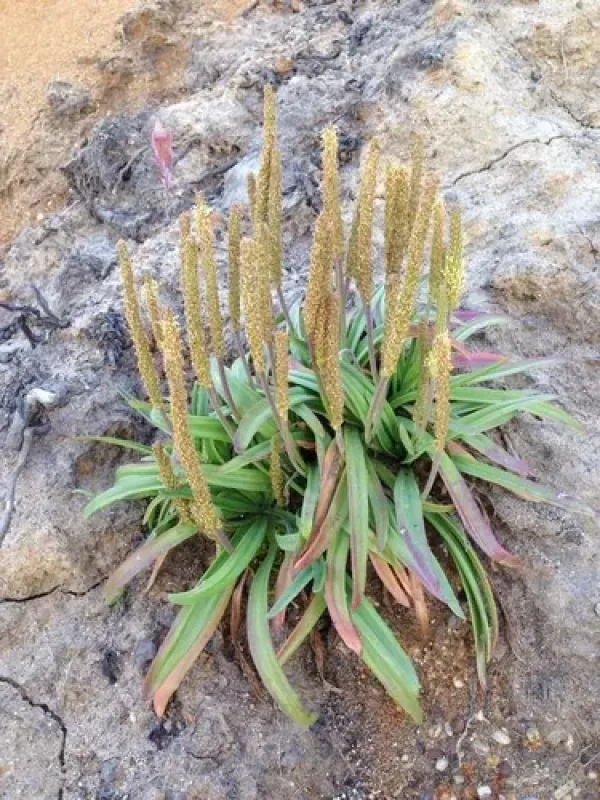
Description
Sowing dates
Sowing of sea plantain (Plantago maritima) is best performed in early spring, as soon as the soil temperatures reach at least 5-8 degrees Celsius. The seeds have a small size and require careful placement in the soil to ensure successful germination.
The optimal planting depth is approximately 0.5 to 1 centimeter, covered with a fine layer of substrate. Row spacing should be maintained between 25 and 30 centimeters to provide adequate space for leaf development and manual harvesting operations.
Stratification of seeds for about two to three weeks before sowing can significantly improve uniformity and percentage of germination. This is particularly important for commercial production settings where plant density must be controlled.
Transplanting seedlings started in trays is an effective method to gain a head start in the growing season. Seedlings should be hardened off before moving them to outdoor conditions to prevent thermal shock.
Continuous sowing throughout the season is possible in temperate climates, allowing for a steady supply of fresh leaves for harvesting over several months.
Growing requirements
Sea plantain is a resilient halophyte, native to coastal areas, belonging to the Plantaginaceae family. It is naturally adapted to saline soils, making it an excellent candidate for regions where soil salinity poses a problem for other crops.
The plant thrives in well-drained, sandy, or loamy soils. Good aeration is essential to prevent root diseases that often occur in compacted or waterlogged environments, which are detrimental to this species.
Sunlight exposure is a critical requirement for successful cultivation. Sea plantain requires full sun to develop high-quality, dense rosettes. Shading can lead to weak growth and loss of flavor intensity.
While the plant is hardy and withstands frost, it performs best under moderate temperatures. High heat combined with extreme drought can cause the plant to enter premature dormancy or bolt, reducing the quality of the foliage.
Soil pH should ideally be neutral or slightly alkaline. While the plant can tolerate some salinity, excessive fertilization should be avoided as it may negatively affect the concentration of secondary metabolites in the leaves.
Yield
Yield potential of sea plantain is measured by the total weight of fresh leaves harvested over the growing period. Regular harvesting triggers the plant to produce new growth from the central rosette.
With proper management, producers can expect to cut the foliage multiple times per season. The plant's architecture, consisting of succulent, linear leaves, allows for easy mechanical or manual harvesting.
High-density planting systems, when managed with appropriate irrigation, can significantly increase the total yield per square meter. Maintaining optimal soil moisture levels prevents the leaves from becoming too tough or fibrous.
Productivity typically peaks during the second year, assuming the root system is well-established. Proper maintenance of soil fertility ensures that each subsequent harvest produces high-quality leaves.
Yields can be maximized by monitoring plant health and ensuring that the growth cycle is not interrupted by pests or competitive weed pressure in the early stages.
Main diseases and pests
The primary threats to sea plantain crops include fungal diseases like powdery mildew, which thrive in humid and poorly ventilated fields. Good field hygiene and proper spacing are essential preventative measures.
Aphids and spider mites are common insect pests that can cause damage, especially during dry summer months. Biological control strategies are recommended to maintain the safety of the leaves for culinary use.
Root rot is a significant concern if drainage is not managed correctly. Excess water creates anaerobic conditions that lead to the rapid decline of the plant root system.
Weed control is vital, as common weeds can harbor pests or compete for nutrients, thus limiting the vigor of the sea plantain crop. Manual weeding or light mulching is preferred over herbicide use.
Monitoring the fields for early detection of pathogens allows for targeted interventions, reducing the need for broad-spectrum chemical treatments.
Harvesting
Harvesting of sea plantain occurs when the leaves reach a length of 10 to 15 centimeters. It is crucial to collect the foliage before the plant initiates the flowering stage, as flower stalks draw energy away from the leaves.
The harvest involves cutting the leaves at the base of the rosette, ensuring the growing point remains intact. This technique allows the plant to regenerate fresh growth quickly for subsequent harvests.
Post-harvest handling is critical because the succulent leaves are prone to wilting. They should be cooled immediately and stored at temperatures close to +2 degrees Celsius with high humidity.
Culinary uses are diverse, ranging from fresh additions in salads to being blanched or sautéed as a side dish. The leaves are prized for their mild, salty taste and nutritional density.
Long-term storage can be achieved through quick-freezing, which preserves the texture and nutrients of the leaves for future use throughout the off-season.