
Sibthorpia peregrina
Sibthorpia peregrina
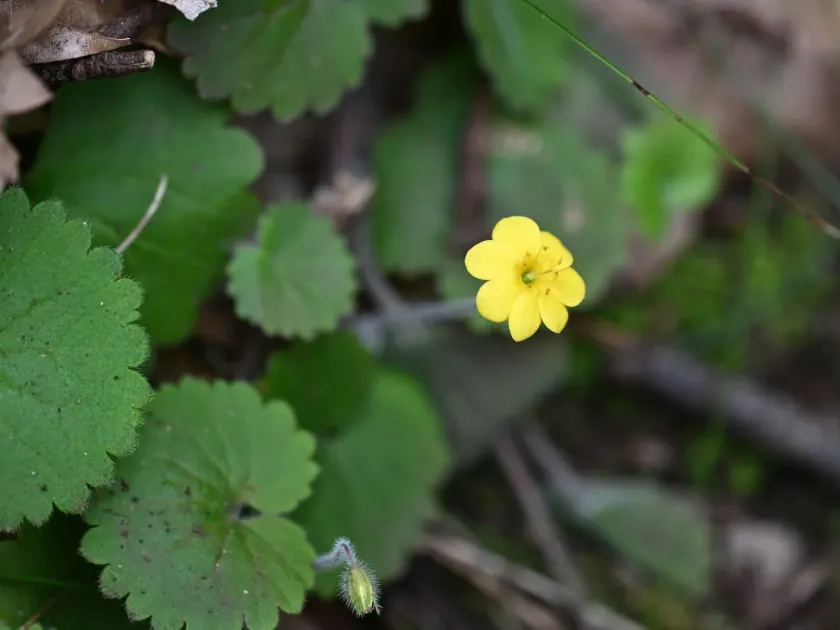
Description
Growing requirements
Sibthorpia peregrina is a delicate perennial plant belonging to the Plantaginaceae family. It is renowned for its creeping habit and lush, circular leaves, making it a highly desirable species for specialized greenhouse collections and interior landscaping.
The plant thrives in rich, well-draining soil that retains moisture without becoming waterlogged. Growers must ensure the substrate is consistently damp, as the root system of Sibthorpia is sensitive to both extreme drought and prolonged saturation.
Botanically, this species is characterized by its thin, trailing stems that root at the nodes upon contact with the soil. This vegetative propagation allows the plant to form dense, ground-covering mats in optimal environmental conditions.
Climatic requirements are specific: the plant demands high air humidity and protection from direct sunlight. Temperatures should be kept stable within a mild range, avoiding cold drafts and scorching heat that can lead to rapid leaf tissue degradation.
In terms of agricultural and horticultural use, Sibthorpia peregrina is primarily utilized as an ornamental plant. It is frequently employed in terrariums, hanging baskets, and as a ground cover in high-humidity conservatory environments.
Main diseases and pests
The main threats to Sibthorpia peregrina involve fungal infections, particularly gray mold (Botrytis cinerea), which flourishes in humid, stagnant conditions. Good air circulation is essential to prevent the spread of fungal spores across the foliage.
Pest issues include spider mites and mealybugs, which are particularly prevalent in indoor settings where humidity levels might fluctuate. These pests can rapidly weaken the plant by feeding on the sap of the tender shoots.
Overwatering is the primary cause of root rot, a lethal condition that often goes unnoticed until the plant begins to collapse. Using a sterile, well-structured potting mix is a critical preventative measure for long-term plant health.
Sanitation is key to disease management. Removing any decaying leaves or stems immediately prevents the development of rot, while maintaining clean greenhouse tools prevents the spread of potential viral pathogens.
When chemical treatment becomes necessary, it is vital to select products that are safe for delicate leaf structures. Integrated Pest Management (IPM) practices, such as biological control and habitat modification, are preferred for maintaining a healthy growth environment.