
Silver speedwell
Veronica arganthera
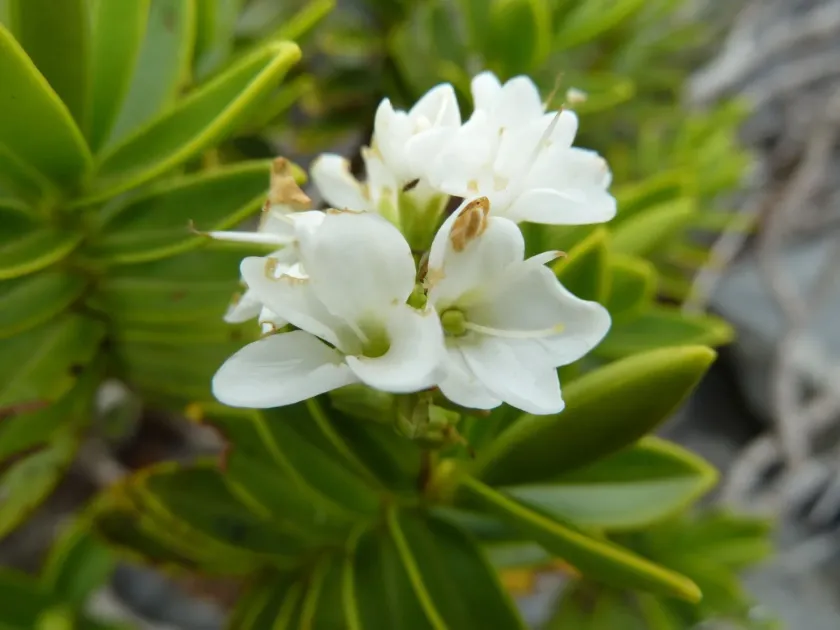
Description
Sowing dates
Sowing seeds of Veronica arganthera is best performed in late winter or early spring using a controlled environment. The seeds often require a period of stratification to break dormancy and ensure uniform germination.
For outdoor sowing, it is critical to wait until the risk of frost has passed. The soil temperature should be consistently warm, providing the ideal conditions for the seeds to establish themselves quickly.
The substrate for sowing must be extremely well-draining, mimicking the natural conditions of the plant's native habitat. A mixture of horticultural grit and sterile compost is highly recommended for starting seeds.
When sowing, do not cover the seeds with a thick layer of soil, as they often require light to germinate. A light dusting of sand over the surface is usually sufficient to maintain moisture without hindering the light exposure.
Vegetative propagation by division should be performed in early spring as new growth begins to emerge. This method ensures that the offspring retain the exact characteristics of the parent plant, including leaf color.
Growing requirements
Veronica arganthera thrives in full sun, which is essential for developing its signature silvery-white foliage. In shaded locations, the plant tends to lose its compact shape and its distinctive color.
The species is perfectly adapted to poor, gritty, and rocky soils. High fertility or excessive nitrogen in the soil will lead to rapid, weak growth that reduces the plant's ability to survive harsh winters.
Watering requirements are low, as this plant is highly drought-tolerant. During the hottest summer months, occasional deep watering is sufficient, provided the soil remains free-draining and never waterlogged.
The ideal pH range for this plant is neutral to slightly alkaline. It is important to avoid soils that retain excessive moisture, as this can lead to crown rot, especially during the dormant winter months.
Good air circulation is vital for maintaining the health of the plant. Crowded planting conditions should be avoided to prevent humidity buildup around the base, which could encourage fungal issues.
Main diseases and pests
The most common threat to Veronica arganthera is root rot caused by poor soil drainage. Ensuring that the site is well-drained is the primary defense against this destructive pathogen.
Powdery mildew can affect the foliage in conditions of high humidity and poor airflow. Regular inspection and maintaining appropriate spacing between plants are key strategies to prevent widespread infections.
Slugs and snails are potential pests, particularly for young plants in the spring. Using inorganic mulches, such as crushed stone or gravel, helps to deter these pests from reaching the foliage.
Aphids might colonize the flower spikes during the blooming season. If an infestation occurs, it can be managed with insecticidal soap or by physically removing the affected parts of the plant.
Preventative maintenance includes removing dead leaves and clearing debris around the crown to eliminate habitats for pests and fungi, ensuring the plant stays vigorous throughout the growing season.
Harvesting
Harvesting for decorative or herbal purposes should occur at the peak of the flowering stage. Carefully cut the stems, leaving sufficient foliage to ensure the plant can recover and store energy for the next year.
The harvest should be performed on a dry, sunny day after the morning dew has completely evaporated. This minimizes the risk of rot during the drying process, ensuring a high-quality final product.
Dry the harvested material in a shaded, well-ventilated area to preserve the delicate colors and essential components. Avoid high temperatures, which can damage the quality of the foliage.
In landscape maintenance, deadheading spent flowers is a standard practice to keep the garden tidy. This also redirects the plant's energy toward foliage development rather than seed production.
Proper storage is essential to maintain the quality of the harvested materials. Place them in dry, airtight containers in a cool, dark location to ensure long-term shelf stability and potency.