
Slender plantain
Plantago heterophylla
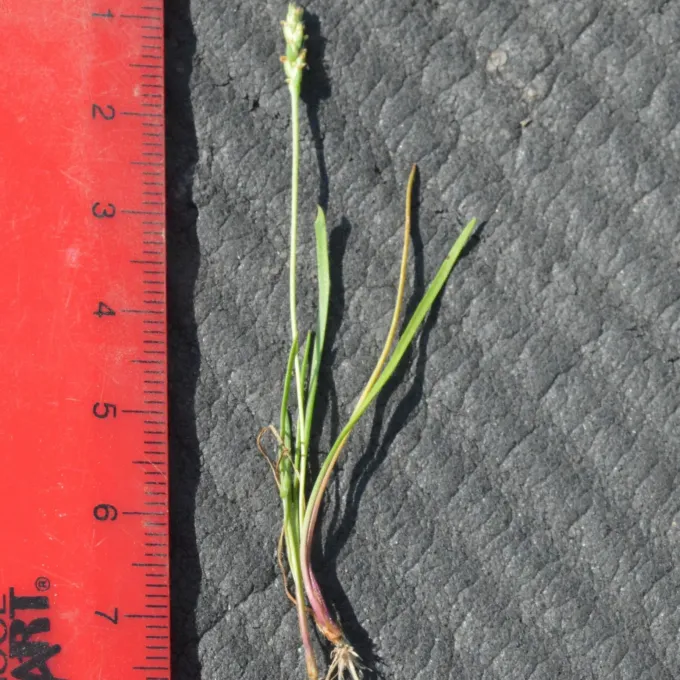
Description
Growing requirements
Slender plantain (Plantago heterophylla) is a herbaceous annual plant belonging to the Plantaginaceae family. Unlike many of its perennial relatives, it completes its life cycle within a single growing season, making it a unique species within the genus.
Native to North America, this plant is typically found in moist, sandy habitats. It thrives in open areas, frequently colonizing disturbed soils, damp meadows, and the edges of ponds or seasonal wetlands where moisture is consistent throughout the spring.
The species is distinguished by its variable leaf structure, which ranges from linear to narrowly lanceolate forms. This morphological flexibility allows the plant to adapt to different light conditions and levels of competition within its ecosystem.
The plant requires well-drained, nutrient-rich soils to thrive, ideally with moderate moisture levels. While it is an annual, it demonstrates significant resilience to fluctuating temperatures, provided that the soil does not dry out completely during the germination stage.
Agricultural and commercial interest in this species is limited. It is primarily studied for its ecological role in native plant communities and potential for soil stabilization in sandy substrates rather than as a large-scale agricultural crop.
Main diseases and pests
Common phytopathological threats include fungal infections such as powdery mildew and damping-off, which often occur when environmental humidity levels are excessively high or air circulation is poor.
In terms of pests, slugs and snails pose a serious threat to younger specimens, as they are capable of consuming significant portions of the foliage, potentially stunting the growth and reducing seed production of the plant population.