
Scoparia
Scoparia hybrids
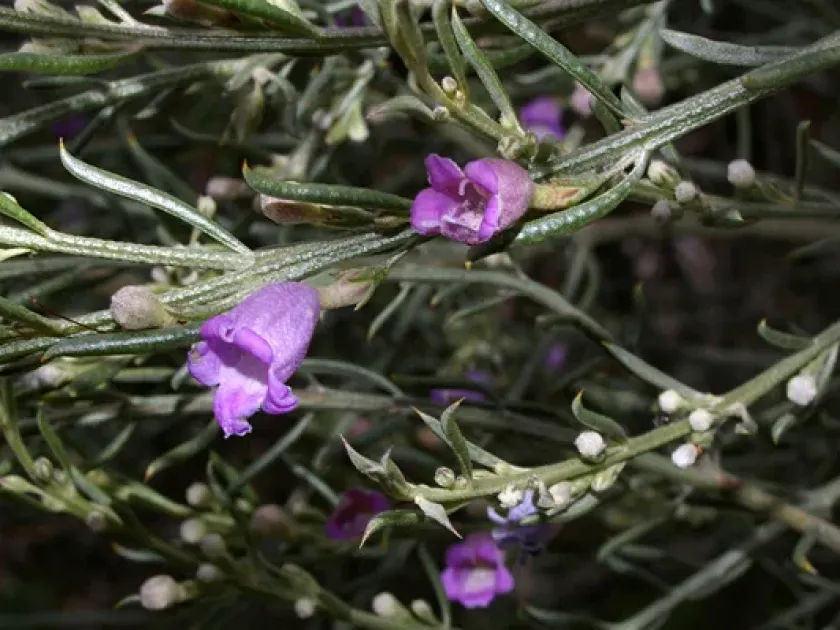
Description
Sowing dates
Scoparia hybrids are heat-loving plants that generally require an early start indoors, with sowing typically taking place in late February or March.
The seeds are exceptionally fine, requiring a light, well-draining germination mix that must be kept consistently moist but not waterlogged.
When sowing, the seeds should be surface-sown and barely covered with a fine layer of vermiculite to ensure they receive enough light for germination.
Maintaining a stable temperature of 20–22 degrees Celsius is crucial during the germination phase to ensure a high percentage of seedling emergence.
Transplanting into the garden should only occur once the threat of spring frost has completely passed and the soil has reached an adequate temperature.
Growing requirements
Belonging to the Scrophulariaceae family, Scoparia hybrids thrive in locations that receive full, direct sunlight throughout the majority of the day.
The ideal soil for this crop is fertile, rich in organic matter, and possesses excellent drainage properties to prevent root suffocation.
Consistent moisture is key to the plant's health; however, growers must avoid overwatering to minimize the risk of developing anaerobic conditions in the soil.
Regular fertilization with a balanced, water-soluble fertilizer every two to three weeks will support vigorous growth and continuous flower production.
Pruning or pinching back the tips of young shoots is recommended to encourage a bushy, compact habit rather than allowing the plant to become leggy.
Yield
The primary economic use for Scoparia hybrids is in the ornamental horticulture sector, where they are valued for their persistent and airy blooms.
They are highly popular for container gardening and patio displays, where their ability to maintain a neat appearance is highly regarded by landscape designers.
In mass planting schemes, the hybrids provide a delicate texture that adds depth to traditional flower borders throughout the summer season.
Some research focuses on the chemical composition of the genus, exploring potential applications for secondary metabolites in pharmaceutical industries.
The performance of the crop is evaluated by the duration of its blooming cycle and the overall density of the flowering stems produced per plant.
Main diseases and pests
Root rot is the most significant threat to Scoparia hybrids, typically caused by overwatering or planting in heavy, poorly draining soils.
Powdery mildew can affect the foliage during periods of high humidity and poor air circulation, necessitating the use of targeted fungicidal treatments.
Aphids and spider mites are the most common insect pests that target these plants, often thriving in hot, dry conditions during mid-summer.
Integrated pest management strategies, such as biological controls and neem oil sprays, are effective in managing infestations while maintaining plant health.
Good cultural practices, including providing adequate spacing between plants, significantly reduce the incidence of both fungal and insect-related problems.