
Slender plantain
Plantago elongata
Description
Growing requirements
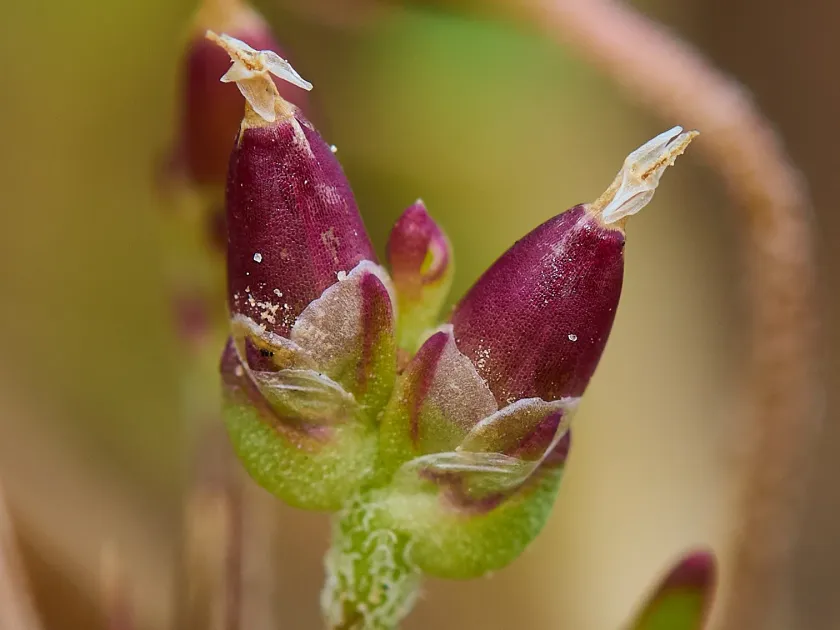
Slender plantain (Plantago elongata) is an annual herbaceous plant belonging to the Plantaginaceae family. It is distinct from the common perennial plantains due to its specific life cycle and narrow, lanceolate leaves that grow in basal rosettes.
Originating primarily from the arid and saline habitats of North America, this plant is well-adapted to environments that are often hostile to standard agricultural crops. It thrives in alkaline and saline soils where other species might fail.
The crop requires full sun exposure and well-drained soil conditions to reach its peak development. It is highly valued for its ability to grow in disturbed habitats, making it a potential candidate for land reclamation projects.
Water requirements are highest during the germination and early seedling establishment stages. As a drought-tolerant species, it utilizes its root structure to extract moisture from deeper soil layers once established.
Agricultural management is relatively low-input, focusing mainly on weed suppression in the early stages of growth. Proper spacing is essential to ensure adequate airflow, which prevents moisture accumulation around the plant base.
Main diseases and pests
Fungal diseases are the primary threats to the health of the crop, particularly in humid or stagnant air environments. Powdery mildew often appears on the leaves, leading to chlorosis and reduced growth vigor.
Root rot is common in poorly drained fields or heavy clay soils prone to waterlogging. This disease typically leads to the rapid collapse of the plant population during the active growing season.
Insect pests such as aphids can cause significant damage by feeding on the sap of developing inflorescences. This not only stunts growth but also opens the plant to opportunistic viral infections.
Soil-dwelling larvae can feed on roots, potentially causing extensive damage to the plant's stability. Integrated pest management strategies are recommended to mitigate these risks without resorting to harsh chemicals.
Crop rotation remains the most effective prophylactic measure against soil-borne pathogens. Maintaining a clean field environment significantly reduces the pressure from both weeds and pests.