
Silver plantain
Plantago argentea
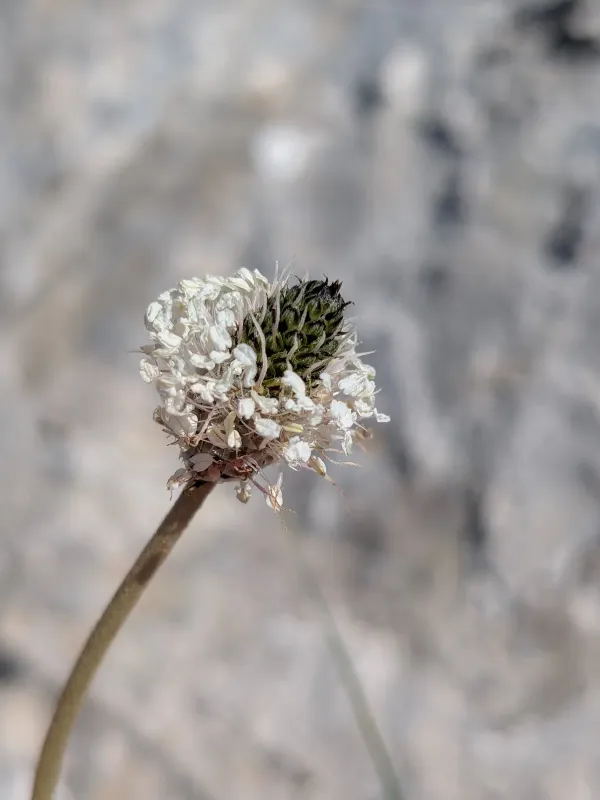
Description
Sowing dates
Silver plantain (Plantago argentea) is a perennial herbaceous plant belonging to the Plantaginaceae family. In agricultural practices, the selection of the correct sowing time is crucial, with early spring being the preferred period when soil temperatures reach stable levels.
The seeds of this species possess specific germination requirements, and pre-sowing stratification is often necessary to improve germination rates. Seeds should be sown at a shallow depth of approximately 1 centimeter to ensure consistent and successful emergence.
For commercial cultivation, row sowing is recommended with inter-row spacing of 40 to 60 centimeters. This setup allows for efficient mechanized weeding and soil aeration, which are vital during the plant's early growth stages.
In regions with mild winters, autumn sowing can be advantageous as it utilizes seasonal soil moisture for early spring development. However, this method requires higher seeding rates to compensate for potential losses due to environmental factors.
Thinning out the seedlings after emergence is essential to maintain proper plant density. Providing each plant with adequate space reduces competition for nutrients and ensures the development of healthy, dense leaf rosettes.
Growing requirements
This crop thrives in dry, well-drained soils, ideally sandy or stony, where moisture stagnation is avoided. Silver plantain prefers sunny locations with full exposure to daylight, which is necessary for the accumulation of active compounds.
As a xerophytic plant, it displays high resistance to drought, aided by its characteristic silver-colored pubescence on the leaves. These fine hairs serve as a protective mechanism against extreme heat and help regulate water loss.
Soil pH should ideally be neutral or slightly alkaline. The plant struggles to develop on heavy, compacted clay soils, where poor drainage leads to root rot and diminished plant vigor, eventually affecting yield quality.
The plant has low requirements for nitrogenous fertilizers but responds well to balanced potassium and phosphorus application. Excessive nitrogen fertilization is discouraged as it stimulates vegetative growth at the expense of medicinal quality.
Maintaining a weed-free environment is critical, especially during the first year of growth. Regular mechanical cultivation of inter-rows is recommended to improve soil aeration and stimulate root development.
Yield
The economic potential of silver plantain depends on the age of the plantation and the quality of agricultural management. Peak yields of leaf mass are typically observed during the second and third growing seasons.
Average dry leaf yield can reach up to 2-3 tons per hectare under optimal conditions. The concentration of therapeutic substances within the leaves is the primary metric for determining the value of the raw material.
The product is primarily destined for the pharmaceutical industry, where it is processed into extracts for various anti-inflammatory and wound-healing products. Market demand for high-quality herbal raw materials remains consistent.
Harvesting efficiency and post-harvest handling are essential to maintain the final product's quality. Proper drying techniques ensure that the plant retains its medicinal profile without oxidation or degradation of compounds.
Successful management of the plantation leads to stable annual output, making it a viable and profitable option for farmers focusing on specialized medical herbs and sustainable agricultural practices.
Main diseases and pests
The primary threats to silver plantain cultivation include fungal diseases, particularly those that thrive in high humidity. Leaf spot diseases can significantly compromise the structure of the leaves and reduce marketability.
Pests, such as various lepidopteran larvae or beetles, may feed on the foliage. Monitoring programs should be implemented to detect pest infestations early and apply appropriate integrated pest management strategies.
Controlling weeds is a significant challenge, but essential for the survival of the crop. Manual or mechanical control is preferred to avoid the use of chemical herbicides that could contaminate the pharmaceutical raw material.
Poor ventilation within the crop canopy increases the risk of mold and rot. Ensuring correct plant spacing and maintaining clear pathways for airflow are vital preventive measures for fungal infections.
The plant is relatively resilient to environmental stressors, but prolonged winter flooding can lead to significant mortality. Proper field selection and drainage infrastructure are key factors in mitigating these risks.
Harvesting
Harvesting should be conducted during dry, sunny weather to facilitate the drying process. The ideal time for cutting is when the rosettes are fully developed, just before the plants enter the seed-bearing stage.
Mechanical harvesting involves cutting the leaf rosettes at a height of 3-5 centimeters above the soil level. This technique preserves the root system, allowing the plant to regenerate for subsequent harvests.
Once harvested, the plant material must be transported immediately to drying facilities. Preventing the accumulation of moisture in bulk piles is crucial to avoid heating and quality degradation of the harvested leaves.
Drying is performed in shaded, well-ventilated areas or controlled-temperature drying chambers. The temperature must not exceed 45 degrees Celsius to prevent the destruction of heat-sensitive chemical components.
Final storage involves placing the dried, processed material in a cool, dark, and dry environment. With proper conditions, the raw material can be preserved for several years, maintaining its quality and medicinal properties.