
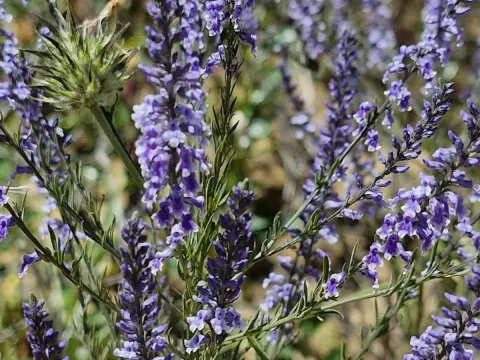
Anarrhinum
Anarrhinum
Sowing of Anarrhinum seeds is typically performed in the spring once the danger of frost has passed, usually during April or May. The seeds are very fine, so they should be sown on the surface of the growing medium and pressed gently rather than buried deeply.
What the section contains


Anarrhinum
Starting seeds indoors is a common practice to ensure earlier flowering and better establishment of the plants. Using trays with a light, well-draining soil mix in late winter allows for a more controlled environment for germination and initial growth.
Once the seedlings develop their first true leaves, they should be pricked out into individual containers to allow the roots enough space to grow. Proper spacing is crucial to prevent the seedlings from becoming leggy or competing for resources.
Hardening off the plants before transplanting them to their final outdoor location is essential to prevent shock. Moving them gradually to outdoor conditions ensures they adapt to fluctuations in temperature and light intensity effectively.
For outdoor sowing, preparing the soil by removing weeds and ensuring a fine tilth is necessary for success. Plant density should be managed to allow for adequate airflow, which is critical for the long-term health and vigor of the plants.
Anarrhinum belongs to the Plantaginaceae family and is native to Mediterranean regions. These plants thrive in environments that mimic their natural habitat, requiring plenty of direct sunlight for optimal growth and high-quality flower production.
The plant prefers well-draining, sandy, or rocky soils, which are typical of its origin. It is highly intolerant of waterlogged conditions, so ensuring excellent drainage in the planting area is the most critical factor for successful cultivation.
Being naturally drought-tolerant, Anarrhinum can survive periods of low rainfall once established. However, providing regular moisture during the peak flowering season will reward the gardener with more profuse and long-lasting blooms.
The climate requirements for Anarrhinum include mild temperatures; while it enjoys warmth, it does not perform well in extreme, humid heat. In colder zones, it is often grown as an annual because it lacks the necessary hardiness to survive harsh winters.
Fertilization should be handled with care, as too much nitrogen can lead to excessive vegetative growth at the expense of flowering. A balanced, low-concentration fertilizer is generally sufficient to maintain healthy plant performance throughout the season.
Excessive moisture is the primary threat to the health of Anarrhinum, as it quickly leads to root rot and collar rot. Maintaining proper soil moisture levels and ensuring the planting site is raised or well-drained is essential to prevent these diseases.
Aphids can be a significant pest, particularly attacking the tender tips and developing flower buds during the spring. Early detection is key, and insecticidal soaps or neem oil can be used to manage infestations before they spread to other plants.
Powdery mildew may develop if there is poor air circulation or extended periods of high humidity. To mitigate this risk, gardeners should ensure plants are spaced correctly and avoid overhead watering that keeps the foliage wet for too long.
Soil-borne nematodes can pose a hidden threat, damaging the root systems and causing the plants to wilt or show signs of nutrient deficiency. Using sanitized potting soil for transplants and rotating planting spots helps reduce the buildup of these pathogens.
Slugs and snails can consume young foliage and stems, especially after spring rainfalls. Implementing protective barriers, such as copper tape or organic slug baits, can help keep these pests away from the developing plants in the garden bed.